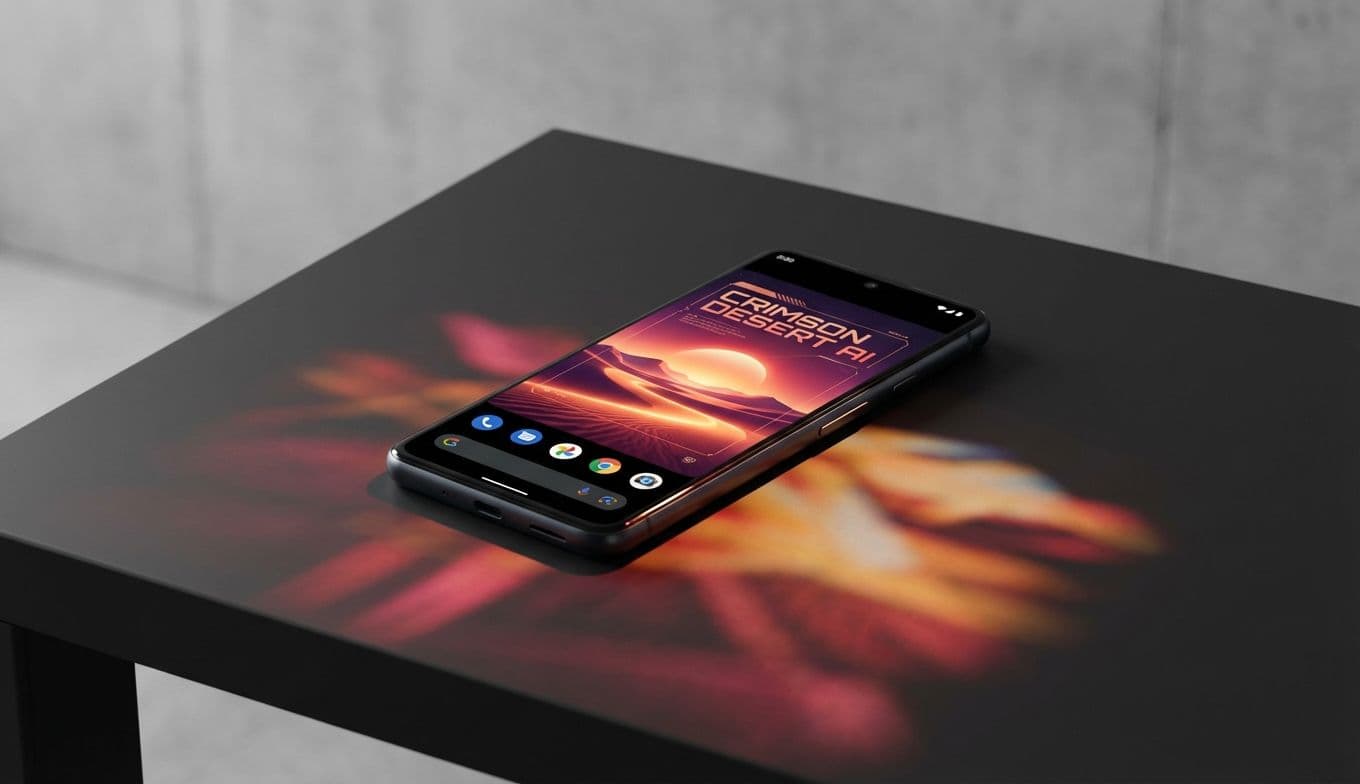
Crimson Desert AI Fiasco: Spotting Bad AI in Tech Gifts
Team GimmieThe Uncanny Valley of Tech Gifts: What the Crimson Desert AI Fiasco Teaches Us About Quality
It is a story that has been rattling around the gaming world lately, and frankly, it is one that should give us all pause—not just as players, but as consumers looking for the next great piece of tech. Pearl Abyss, the developer behind the highly anticipated Crimson Desert, recently issued a formal apology. The reason? They left AI-generated art in the final release of their game.
Before you dismiss this as just another niche headline for the Reddit crowd, let’s unpack what it really means for the rest of us. This is a canary in the coal mine for how artificial intelligence is creeping into the products we buy, often at the expense of quality and transparency. It raises a serious question for anyone shopping for a new gadget or a thoughtful gift: When does AI stop being a feature and start being a shortcut?
The Trap of Good Enough
Let’s get straight to it: the AI art discovered in Crimson Desert was widely criticized for looking sloppy and unfinished. While Pearl Abyss claimed the assets were place-holders intended to be replaced before launch, the fact that they made it into the hands of paying customers speaks volumes. It suggests a corner was cut or a deadline was looming so large that the human eye was removed from the equation.
As someone who has tested thousands of products, I can tell you that true quality rarely comes from a prompt. Whether it is a meticulously designed video game, a high-end kitchen gadget, or a piece of software, the difference between something that is just functional and something that truly delights lies in the human touch. When AI-generated assets slip into a AAA product, it undermines the sheer effort of the creators. It is the digital equivalent of ordering a bespoke software suite for your business, only to find out the developer just copy-pasted a few prompts from ChatGPT into a generic template. You aren't paying for the tool; you're paying for the expertise.
The Transparency Tightrope and the Rise of AI-Washing
Pearl Abyss’s apology touched on a crucial point: they admitted they should have clearly disclosed their use of AI. This should be a non-negotiable standard for the industry. As consumers, we deserve to know what we are buying. If a company uses AI to design a product’s aesthetics or write its core code, that is information we need to weigh the value proposition.

We are seeing a massive rise in AI-washing—the practice of slapping an AI label on a product to make it seem more advanced than it actually is. It is the modern version of the organic or natural labels we see in the grocery store. When a company is not transparent about where the human ends and the algorithm begins, it breeds distrust. In a marketplace already crowded with options, trust is the only currency that actually matters. If you find out that the beautiful product design you admired was just the result of a mid-tier algorithm, the story and the perceived value of that gift evaporate.
Good AI vs. Bad AI: Know the Difference
AI isn't inherently a bad thing. In fact, in the right hands, it is a revolutionary tool. But as you look for your next tech gift, you need to be able to distinguish between meaningful innovation and lazy implementation.
Good AI provides tangible, technical benefits that a human couldn't easily replicate. Take the Google Pixel series, for example. Its computational photography—using AI to stitch together multiple exposures for Night Sight or to magically erase a photobomber—adds real value to the user. Similarly, Sony’s Alpha cameras use AI-driven autofocus to track a subject’s eye with terrifying precision. These are purposeful uses of technology that enhance the core function of the device.
Bad AI, on the other hand, is often used as a gimmick or a cost-cutting measure. Think of those budget-friendly security cameras that claim to have AI-powered person detection but actually trigger an alert every time a leaf blows past the lens. Or consider the generic smart home gadgets that use AI to generate artistic filters for your photos rather than improving the hardware itself. If the AI is there to hide mediocre specs or replace a designer’s eye with something generic, it is a red flag.
How to Navigate the AI-Tinged Marketplace
So, how do you protect yourself from being the person who buys the tech version of a sloppy AI-generated painting?
First, learn to spot the red flags in product descriptions. Be wary of vague marketing speak like AI-optimized performance or smart-enhanced visuals if they aren't backed up by technical specifications. If a company can’t explain exactly what the AI is doing—such as reducing noise in low light or managing battery cycles—it is likely just buzzword filler.
Second, prioritize companies with a track record of transparency. When a developer or manufacturer is open about their process, even when they make mistakes like Pearl Abyss did, it’s a sign of respect for the consumer. Look for reviews from trusted, independent sources that actually tear the product down and test the claims.
Finally, focus on the end benefit. Does the product solve a problem or bring joy? Whether it was built with human hands, AI assistance, or a combination of both, its real-world performance is what matters. If the AI makes the experience seamless, it is a win. If it feels like a shortcut that makes the product look or feel unfinished, walk away.
The Bottom Line
The Crimson Desert incident is a valuable lesson for all of us. AI is a powerful tool, but it is not a substitute for craftsmanship. When shopping for tech, look for purposeful integration rather than marketing fluff. If a product’s biggest selling point is a vague AI promise, you are likely looking at a shortcut, not a breakthrough. Demand quality, demand transparency, and remember that the best tech always feels like it was made for humans, by humans.
The Bottom Line: Quick Tips for Tech Buyers
Look for Specifics: If a product says AI, it should tell you exactly what that AI is doing (e.g., 40 percent faster noise cancellation). Vague claims usually mean AI-washing.
Value the Human Touch: Premium products should show evidence of thoughtful design. If the interface or aesthetic looks generic or uncanny, it probably is.
Check the Track Record: Support brands that own their development process. A company that apologizes for a mistake is often more trustworthy than one that hides behind jargon.
Function Over Hype: Ask yourself if the AI actually makes the product better or if it is just a distraction from mediocre hardware.