Best Smart Rings 2026: Oura, Samsung & RingConn Review

Best Smart Rings 2026: Oura, Samsung & RingConn Review

Team GimmieTeam Gimmie
Published on February 18, 2026

The End of the Wrist Brick: Why 2026 is the Year of the Smart Ring

There is a specific kind of annoyance that comes with trying to track your sleep while wearing a modern smartwatch. You settle into bed, only for a bulky slab of glass and metal to dig into your wrist the moment you tuck your hand under the pillow. Or worse, you’re jolted awake by a glowing screen notification that forgot you’re in "Do Not Disturb" mode. For many of us, the "smartwatch fatigue" is real. We want the data, but we’re tired of the clunky hardware and the nightly anxiety of checking battery percentages.

As a product tester who has lived with every major wearable since the first Fitbit, I can confidently say that the landscape has shifted. In 2026, the smart ring isn’t just a niche alternative; it’s the superior choice for anyone who values discretion and long-term health tracking over a tiny, glowing wrist-computer. These devices have matured from experimental gadgets into sleek, titanium-clad powerhouses that disappear into your daily life while delivering insights that are often more accurate than their wrist-bound cousins.

The Heavy Hitters: Which Ring Should You Actually Buy?

The market is no longer just a one-horse race dominated by Oura. In the last year, we’ve seen massive leaps in sensor density and battery efficiency. If you're looking to buy or gift a ring today, these are the four names that matter.

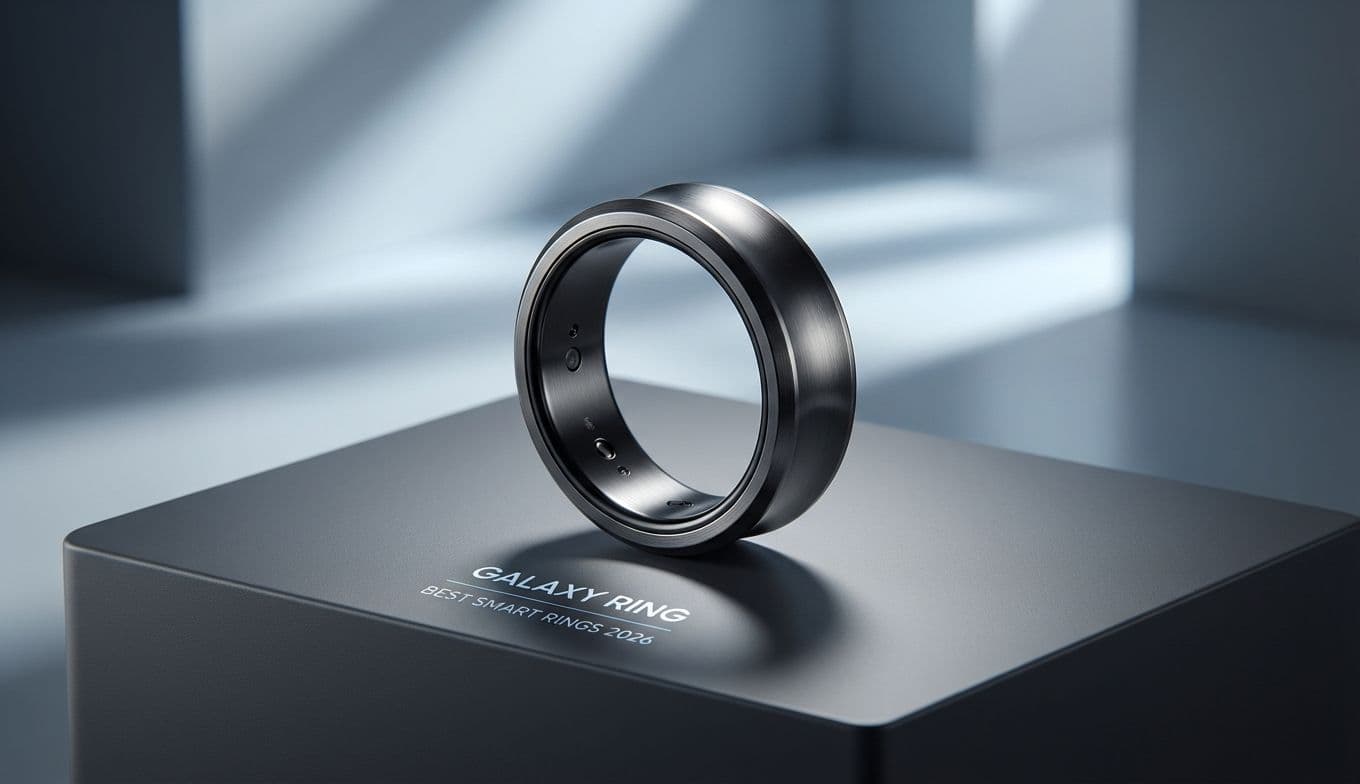
Samsung Galaxy Ring If you’re an Android user, particularly within the Samsung ecosystem, this is likely your best bet. Samsung disrupted the market by ditching the monthly subscription model entirely. It integrates seamlessly with Samsung Health, using "Energy Scores" to tell you if you should hit the gym or take a nap. It’s incredibly light—barely heavier than a nickel—and the concave design helps prevent those inevitable scratches that plague flat rings. At roughly $399 with no recurring fees, it’s a high-value entry point.

Oura Ring Gen 4 Oura remains the "gold standard" for a reason: their data is simply the most polished. While competitors are catching up, Oura’s sleep staging and readiness algorithms are still the most intuitive to read. The Gen 4 model has significantly slimmed down the internal sensors so it feels smooth against the skin. However, there’s a catch—the $5.99 monthly subscription. If you want the deep-dive insights into your cardiovascular age or stress levels, you have to keep paying. It’s the best choice for those who want the absolute highest-fidelity data and don't mind the "health tax."

RingConn Gen 2 This is the dark horse of 2026 and my personal favorite for pure utility. RingConn managed to squeeze 10 to 12 days of battery life into a ring that is thinner than almost anything else on the market. It also includes a charging case that holds a massive backup supply, meaning you could technically go on a month-long vacation without ever plugging into a wall. At around $299 with no subscription, it’s the most logical choice for the practical buyer who hates charging gadgets.

Ultrahuman Ring AIR For the person who treats their body like a high-performance machine, the Ultrahuman is the one. It doesn’t just track steps; it tracks your "Movement Index" and "Circadian Alignment." It’s designed to tell you exactly when you should be seeking sunlight or avoiding caffeine. It has a slightly more industrial, raw aesthetic that appeals to the biohacking crowd, and like Samsung, it requires no monthly subscription.

The Gifter’s Cheat Sheet: Matching the Ring to the Person

Buying a smart ring as a gift is a thoughtful move, but it’s not a one-size-fits-all situation. Because these devices are highly personal, you need to match the hardware to the recipient's lifestyle.

For the Sleep-Obsessed: Stick with the Oura Ring Gen 4. Their sleep-tracking algorithms are backed by years of peer-reviewed research. If your recipient is the type who obsessively checks their REM cycles and deep sleep percentages, they will appreciate the depth Oura provides, even with the subscription.

For the Fitness Junkie: Go with the Ultrahuman Ring AIR. It’s built to withstand the sweat and grit of a gym environment, and the app’s focus on metabolic health and recovery intervals is perfect for someone training for a marathon or a CrossFit competition.

For the Minimalist: The RingConn Gen 2 is the winner here. It’s the least "tech-looking" of the bunch. Because it’s so thin and the battery lasts nearly two weeks, the wearer truly forgets they are wearing a piece of technology. It’s perfect for the person who hates "gadget clutter."

For the Tech-Averse: The Samsung Galaxy Ring is the "set it and forget it" option. If they already have a Samsung phone, the setup takes seconds, and the lack of a monthly bill means they won’t be annoyed by a recurring charge on their credit card six months down the line.

The Reality Check: What the Glossy Ads Don’t Tell You

Despite my love for these devices, they aren’t perfect. Before you drop $300 to $500, you need to be aware of the "ring reality."

First, there is the scratching. Even with "fighter-jet grade" titanium, these rings will show wear and tear if you lift weights or do heavy gardening. If your recipient is a regular at the power rack, they’ll either need to take the ring off during sets or accept that it’s going to develop a "patina" of scratches quickly.

Second, the sizing process is a hurdle. You cannot just guess a ring size. Every brand uses a slightly different internal sensor layout, meaning a size 10 in Oura is not a size 10 in Samsung. Every purchase starts with a "sizing kit"—a box of plastic dummy rings the user has to wear for 24 hours to ensure their finger doesn't swell and make the ring uncomfortable. If you're giving this as a gift, you’re essentially gifting a kit first, and the actual ring arrives a week later.

Finally, there is the lost-charger problem. Most of these rings use proprietary charging cradles. If you lose that tiny plastic puck while traveling, your $400 ring becomes a very expensive paperweight until you can order a replacement.

The Verdict for 2026

Smart rings have officially moved past the "cool toy" phase and into the "essential tool" category. They offer a level of peace and quiet that smartwatches simply cannot match. You get the heart rate variability, the oxygen saturation, and the sleep insights, but you get them without a screen begging for your attention every ten minutes.

If you’re ready to reclaim your wrist and get serious about your health data without the digital noise, the smart ring is the most sophisticated way to do it. Whether it’s the data-heavy Oura or the ultra-long-lasting RingConn, 2026 is finally the year where the tech on your finger is just as smart as the phone in your pocket.