Best Meta Glasses 2026: Ray-Ban, Oakley & AI Review

Best Meta Glasses 2026: Ray-Ban, Oakley & AI Review

Team GimmieTeam Gimmie
Published on April 19, 2026

THE BEAUTIFUL, UNSETTLING REALITY OF META GLASSES

I don’t want to give Mark Zuckerberg more of my data. I don’t particularly trust Meta with a map of my home, a record of my conversations, or a first-person view of my daily life. And yet, after testing the latest 2026 lineup, I have a frustrating confession: Meta is winning the face-wearable war. While Apple is busy trying to strap a $3,500 computer to your face, Meta has quietly perfected the art of the accessory.

For years, smart glasses felt like clunky science projects—heavy, ugly, and socially alienating. But the current generation has crossed a threshold. They are no longer just "tech gadgets"; they are genuine pieces of eyewear that you’d actually choose to wear even if the battery died. The tension between the utility of the hardware and the reputation of the company is real, but if you can get past the "creep factor," these are some of the most impressive tools I’ve ever used.

THE QUICK VERDICT: WHICH PAIR SHOULD YOU BUY?

Best for Athletes and Active Lifestyles: The Oakley Helux Meta. With a wrap-around design and high-grip stems, these stay put during a trail run or a heavy lift.

Best for Classic Style: The Ray-Ban Wayfarer Meta. It is the gold standard. If you want smart glasses that look exactly like your favorite pair of shades, this is the one.

Best for Smaller Faces: The Ray-Ban Oval Meta. Finally, a pair that doesn’t overwhelm more delicate features or make you look like a bug.

Best Value for Gift-Givers: Ray-Ban Meta with Transition Lenses. If you are buying these for someone else, don’t guess between sunglasses or clear frames. Transitions are the only way to ensure they get all-day utility.

ICONIC STYLE MEETS INVISIBLE TECHNOLOGY

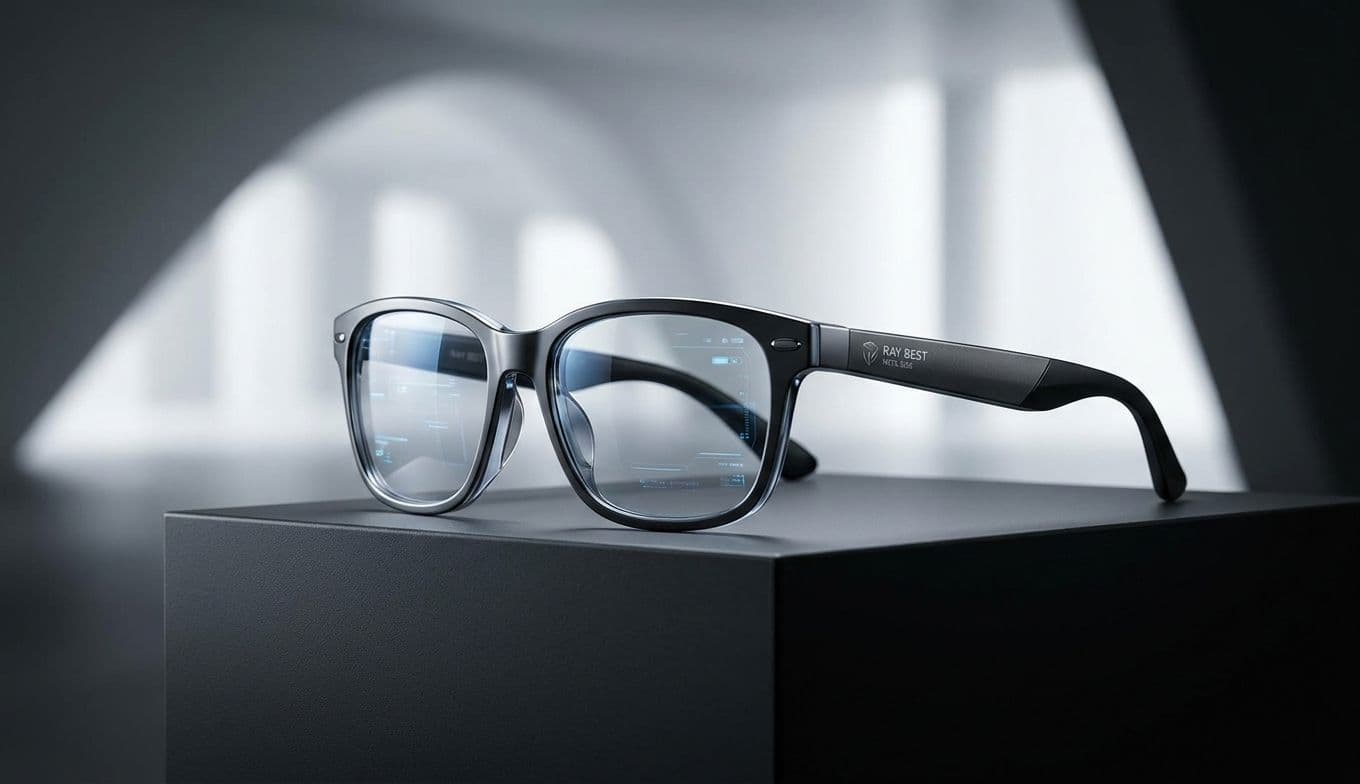
If you’re considering smart glasses in 2026, you’re likely over the novelty of wearing a camera. You want something that looks good. This is where the partnership with EssilorLuxottica has paid off. The Ray-Ban Wayfarer Meta is virtually indistinguishable from the non-smart version. The only giveaway is a tiny, pin-sized lens and a subtle LED light.

However, the real standout this year is the Oakley Helux Meta. For a long time, Oakley fans were left with bulky, experimental designs. The Helux changes that. It leverages Oakley’s expertise in durable, lightweight frames designed for movement. It’s rugged, sweat-resistant, and surprisingly comfortable for long-distance cycling or hiking. It doesn't scream "Silicon Valley"; it screams "afternoon on the mountain."

For those who find the Wayfarer too chunky, the Ray-Ban Oval Meta is a revelation. It’s sleek, minimalist, and fits into the current trend of 90s-inspired eyewear. By miniaturizing the internal components even further, Meta has managed to keep these frames slim enough that they don't feel front-heavy—a common complaint with earlier models.

LIVING WITH THE AI: BEYOND THE SHUTTER BUTTON

The cameras are great for hands-free capture—perfect for a parent trying to record a toddler’s first steps without living behind a phone screen—but the real "magic" (and the real data concern) lies in the Meta AI "Look and Ask" feature.

To understand the utility, stop thinking about tech specs and start thinking about daily friction. Imagine you’re at a local farmer's market and you see a strange, neon-purple vegetable. Instead of pulling out your phone, unlocking it, and typing a description into Google, you simply say, "Hey Meta, look at this and tell me what it is and how to cook it." Within seconds, a voice in your ear explains that it's a kohlrabi and suggests a quick slaw recipe.

It works just as well for international travel. Stand in front of a menu in Tokyo, ask Meta to translate the specials, and it whispers the English version directly to you. It’s an ambient layer of intelligence that stays out of the way until you need it. Is it 100% accurate? Not always. But it’s fast enough and convenient enough that you’ll find yourself using it dozens of times a day for tasks you previously would have just ignored.

THE LENS DILEMMA: TRANSITIONS VS. POLARIZED

If you are buying these for yourself or as a gift, the lens choice is actually more important than the frame style.

I strongly recommend the Transition Lenses. Yes, they cost a premium, but they transform the device from "smart sunglasses" into "an all-day wearable." With Transitions, you can wear them at your desk for a Zoom call, use the AI to help with an email, and then walk outside into the bright sun where they darken automatically for your walk home.

Polarized Lenses are the better choice only if the recipient spends most of their time driving or near the water. They offer superior glare reduction for fishing or long road trips, but they make the glasses useless once you step indoors. Given that the battery life and AI features are designed for "all-day" use, limiting yourself to a lens that only works in the sun feels like a missed opportunity.

THE REALITY CHECK: PRIVACY, BATTERY, AND COST

We have to talk about the "Not-So-Shiny" bits.

First, the Privacy Elephant. Meta has included a bright LED that shines when you are recording, and the software will actually block the camera if you try to tape over that light. It’s a good step, but it doesn't solve the broader issue of Meta having a "god’s eye view" of your world. If you are a privacy hawk, these are not for you. If you are gifting them, make sure the recipient is comfortable with the trade-off.

Second, the Battery. You will get a full day of "normal" use—some music, a few photos, and a handful of AI queries. But if you are live-streaming a concert or using the AI for turn-by-turn navigation all afternoon, you’ll be hunting for the charging case by 3:00 PM. The case itself holds several charges, which helps, but it’s another thing to remember to plug in at night.

Finally, the Price. These are premium items. Between the frames, the tech, and the specialized lenses, you’re looking at a $300 to $450 investment. That’s a lot for something that might be superseded by a new model in eighteen months.

THE FINAL VERDICT

The 2026 Meta glasses represent a tipping point. They have moved past the "early adopter" phase and into the mainstream. By focusing on style first—through the Ray-Ban Wayfarer and the Oakley Helux—and then layering in genuinely helpful AI, Meta has created a product that actually improves your daily flow.

Are they perfect? No. The battery life is still a hurdle, and the privacy implications remain a valid reason to hesitate. But for anyone who wants to stay connected without being tethered to a glass rectangle in their hand, these are the best option on the market. They are smart, they are stylish, and for the first time, they feel like the future we were actually promised.