Best LED Face Masks of 2026: Tested, Reviewed & FDA Cleared
Team GimmieThe Glow Up: Finding an LED Face Mask That Actually Works (and Fits Your Life)
Let’s be honest: the first time you put on an LED face mask, you look like a character from a low-budget sci-fi flick or a particularly tech-savvy slasher movie. It is perfectly natural to be skeptical. The idea that sitting under a series of tiny red lights for ten minutes a day can erase fine lines, kill acne bacteria, and boost collagen feels like the kind of late-night infomercial promise we’ve been trained to ignore.
However, the science behind photobiomodulation (the fancy word for light therapy) is actually quite robust. NASA originally used it to help plants grow in space and later to help heal wounds in astronauts. Today, that same technology has been miniaturized into masks you can wear while folding laundry or scrolling through your phone. But as the market floods with cheap knockoffs, how do you tell the difference between a high-end clinical tool and a plastic bucket with some Christmas lights glued inside? We spent months testing the top contenders to see which ones actually deliver on the hype.
Behind the Scenes: How We Test for Glow
When we test these masks, we aren't just looking at the spec sheet provided by the manufacturer. We put them through a rigorous testing protocol to ensure they are worth the significant investment.
First, we measure light intensity and consistency using a spectrometer to verify that the wavelengths (usually 633nm for red and 830nm for near-infrared) are accurate. These are the "sweet spots" where light can actually penetrate the skin to trigger cellular repair.
Second, we focus on the human element: wearability and comfort. We wear each mask daily for at least four weeks, noting how it sits on the bridge of the nose, whether the straps tug on hair, and how long the battery actually lasts. A mask with perfect specs is useless if it’s so uncomfortable that you leave it in the drawer. Finally, we track skin changes—specifically looking for improvements in redness, texture, and overall "bounce"—to see if the clinical claims translate to real-world mirrors.
Hard Shell vs. Flexible Silicone: Which One Wins?
One of the biggest choices you’ll make is between a rigid hard-shell mask and a flexible silicone one. It sounds like a minor detail, but it completely changes the experience.

Hard-shell masks, like the famous Dr. Dennis Gross model, sit off the skin. They are often faster—some treatments take only three minutes—and are generally more durable. However, because they don't touch your face everywhere, the light distribution can feel less intimate.
Flexible silicone masks, on the other hand, wrap around your facial contours. This ensures the LEDs are as close to your skin as possible, which many experts believe allows for better light absorption. They are much easier to pack for travel and are generally more comfortable for longer sessions (typically 10 minutes). If you have a particularly small or large face, silicone is almost always the better bet because it conforms to you rather than forcing you to fit it.
The FDA Distinction: Clearance vs. Registration
Before we dive into the winners, let’s clear up a common marketing trick. Many brands claim to be FDA-registered, which sounds impressive. In reality, FDA registration just means the company has paid a fee and told the government they exist. It does not mean the product was tested.
What you want to look for is FDA Clearance. This means the manufacturer has submitted data proving the device is both safe and effective for its intended use. For something you are strapping to your face near your eyes, FDA clearance is the non-negotiable gold standard. Every mask on our list below has earned this badge of trust.
The Top Performers for 2026
The Gold Standard: Dr. Dennis Gross DRx SpectraLite FaceWare Pro
This mask is the heavy hitter of the industry. It’s a hard-shell design that looks like a high-end piece of armor. In our testing, it excelled because of its efficiency. While most masks require 10 to 20 minutes, this one finishes its cycle in just three. It offers three settings: red light (for aging), blue light (for acne), or a combination of both.
The user experience is incredibly straightforward. You click the button, go about your business for 180 seconds, and you’re done. We noticed a visible reduction in the redness of active breakouts within just three days of use. The only downside is the rigid fit; if you have a very narrow nose bridge, you might feel a bit of pressure.
Who is this for? The time-crunched professional or the impatient skincare lover who wants clinical results without the 20-minute commitment.
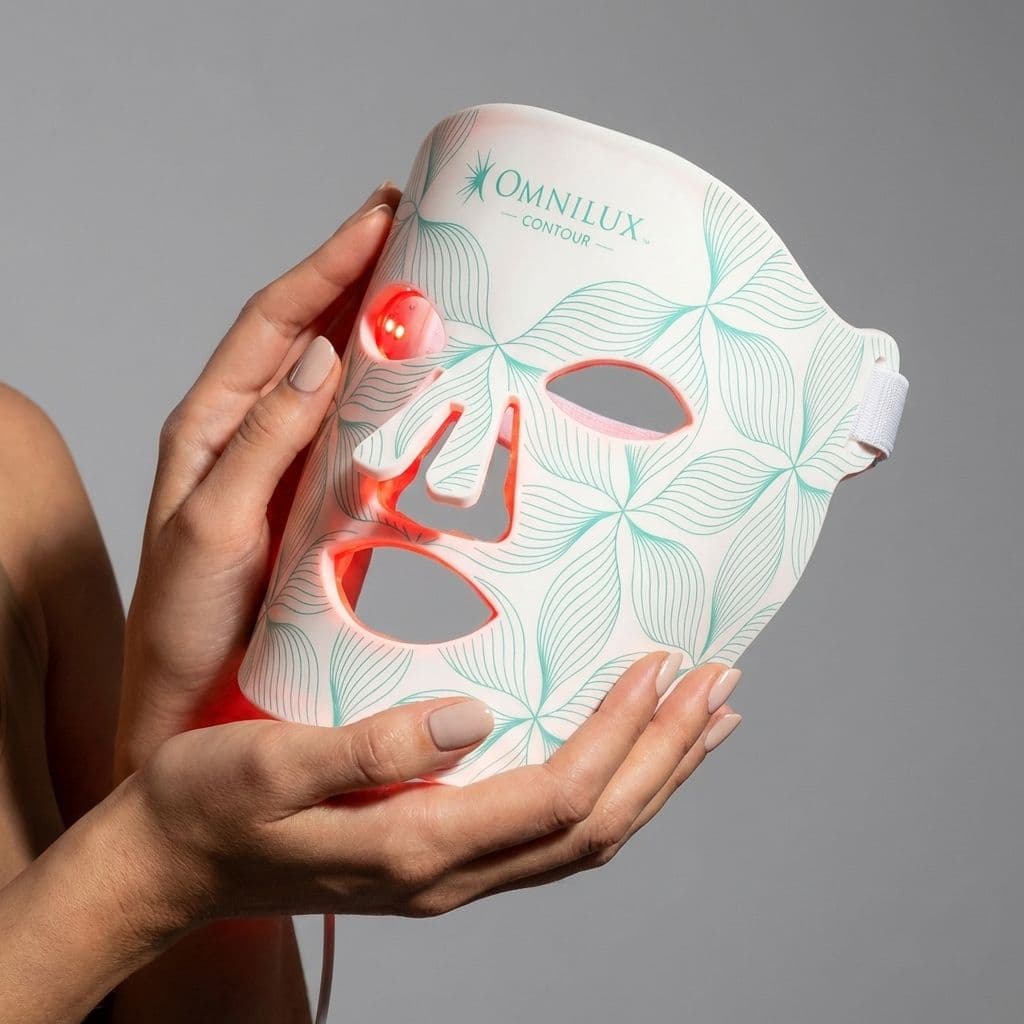
The Comfort King: Omnilux Contour Face
If the Dr. Dennis Gross mask is a power tool, the Omnilux is a weighted blanket. Made of medical-grade flexible silicone, it feels high-end and fits perfectly against the skin. During our testing, this was the easiest mask to wear while multitasking. The straps are secure, and because the LEDs are so close to the skin, the "glow" we experienced after a month was the most consistent of all the masks tested.
Who is this for? The self-care enthusiast who views their skincare routine as a ritual and doesn't mind a 10-minute session to decompress.
The Best Value: CurrentBody Skin LED Light Therapy Mask
CurrentBody has been in the light therapy game longer than almost anyone, and it shows. This mask offers the same clinical-grade wavelengths as its more expensive competitors but often at a slightly more accessible price point. It’s flexible, lightweight, and incredibly simple. In our testing, the battery life was the standout feature—we went nearly two weeks of daily use on a single charge.
Who is this for? The practical buyer who wants the best results-to-dollar ratio and doesn’t need a bunch of different light color settings.
Making the Investment
At-home LED masks are not a "one and done" solution. They are the marathon runners of the skincare world. You won't wake up the next morning with a brand-new face, but after four to eight weeks of consistent use, the results are undeniable.
When choosing your mask, look past the flashy marketing. Check for FDA clearance, decide if you prefer the speed of a hard shell or the comfort of silicone, and most importantly, pick a device that fits into the life you actually live. Whether you’re fighting stubborn adult acne or just trying to keep your collagen levels from dipping, there is a mask that can help—you just have to be willing to look a little bit like a robot for a few minutes a day.