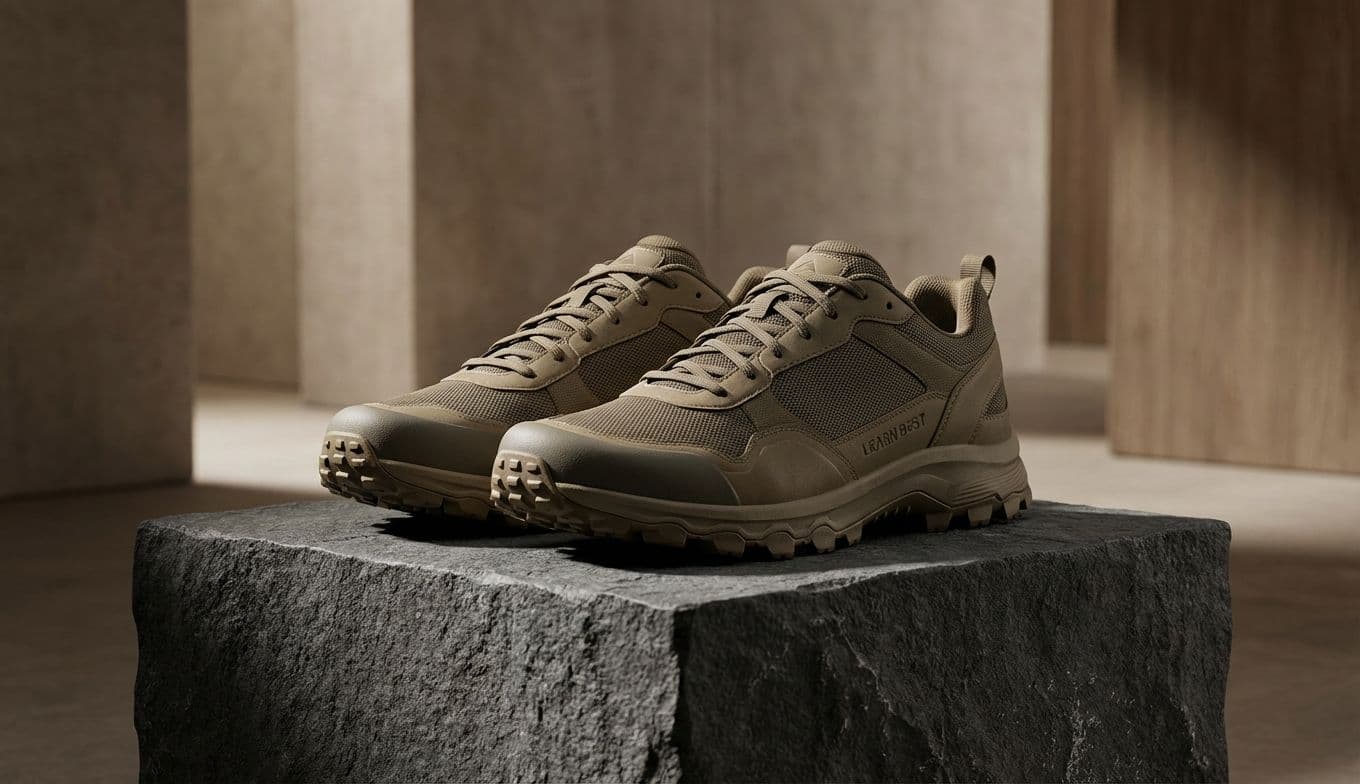
Best Gravel Running Shoes of 2026: Top Hybrid Picks
Team GimmieThe Gravel Slip: Why Your Road Shoes Are Failing You
You know the feeling. You’re three miles into a rhythmic morning run, cruising along the asphalt, when you decide to take that scenic detour through the park’s crushed-limestone loop. The second your foot hits the loose stones, that confident stride evaporates. Your ankles wobble, your toes claw for grip that isn’t there, and you experience the dreaded slip-and-slide. It’s not quite a fall, but it’s enough to kill your momentum.
For years, runners were forced into a binary choice: the sleek, smooth-soled road shoe or the heavy, lugged-out mountain tank. But in 2026, the middle ground has finally been conquered. Enter the gravel running shoe. Whether you’re looking to upgrade your own rotation or hunting for the perfect gift for a runner who refuses to stay in one lane, understanding this hybrid category is the key to a better run.
The Sweet Spot: Gravel vs. Door-to-Trail
The terms gravel running shoe and door-to-trail shoe are often tossed around as if they’re the same thing. They aren’t quite identical, and knowing the difference will save you a lot of buyer’s remorse.
A door-to-trail shoe is a generalist. It’s built for the person who spends 70 percent of their time on pavement but wants enough traction to handle a grassy park or a flat dirt path without feeling like they’re wearing soccer cleats.
A gravel shoe is more intentional. It’s inspired by the gravel bike revolution, designed specifically for surfaces like crushed stone, fire roads, and well-maintained singletrack. These shoes offer a bit more bite than a door-to-trail hybrid but remain significantly more flexible and energetic than a dedicated technical trail shoe.
Think of it this way: Road Shoes: Formula 1 tires. Fast on flat ground, useless in the dirt. Gravel Shoes: All-terrain tires. They handle the highway comfortably but thrive on the backroads. Trail Shoes: Mud-terrain tires. Essential for the swamp and the mountains, but clunky and exhausting on the street.
The 2026 Must-Have Models
If you’re shopping today, generic advice won’t cut it. The technology in midsoles has moved fast, and the latest versions of these hybrids have finally cracked the code on weight-to-grip ratios. Here are the specific models leading the pack this year.

Hoka Challenger ATR 8: The Gold Standard The Challenger has long been the king of the "all-terrain" category, and the ATR 8 is the most refined version yet. It retains that signature Hoka cloud-like cushioning but uses a redesigned outsole with closely spaced 4mm lugs. It feels remarkably light on the road, but the moment you hit gravel, those lugs "find" the ground. It’s the safest bet for almost any runner.
Saucony Ride TR2: The Road Runner’s Hybrid If you love the feel of a classic daily trainer, the Ride TR2 is your shoe. It’s essentially a road shoe wearing a light suit of armor. It uses Saucony’s energetic PWRRUN+ foam, so it doesn't feel mushy on the sidewalk, but the tacky rubber outsole provides just enough confidence for those gravel detours.
Salomon Sense Ride 6: The Agile Specialist For runners who prefer a firmer, more "connected" feel to the ground, the Sense Ride 6 is the winner. It’s narrower and more precise than the Hoka, making it ideal for gravel paths that might occasionally turn into slightly more technical, root-filled trails.
Nike Pegasus Trail 6: The Style and Substance Pick The Pegasus Trail has become a cult favorite because it looks good enough to wear to coffee but performs surprisingly well on fire roads. The 2026 version features an improved ReactX foam midsole that provides better energy return, making those paved miles feel less like a chore.
What Actually Makes a Shoe Gravel-Ready?
When you’re looking at a wall of shoes (or a dozen browser tabs), ignore the marketing fluff and look for these four technical markers.
First, check the lug depth. You want lugs between 2mm and 4mm. Anything deeper will feel like walking on pegs when you’re on the road; anything shallower will slide on the first patch of loose dirt.
Second, look at the outsole rubber. Gravel shoes use a "high-abrasion" rubber compound. Because you’ll be spending time on asphalt—which acts like sandpaper—the rubber needs to be tougher than what you’d find on a pure trail shoe, which usually uses softer, stickier rubber for gripping wet rocks.
Third, consider the upper. Gravel creates a lot of fine dust and small pebbles. A dedicated gravel shoe will have a more tightly woven mesh than a road shoe to keep the grit out, often with a gusseted tongue (where the tongue is sewn into the sides) to prevent debris from sliding into your sock.
Finally, evaluate the protection. You don’t need a heavy-duty rock plate for gravel, but you do want a slightly denser midsole. This prevents that "stinging" sensation when you step on a sharp stone at full speed.
The Gift Guide Shortcut
Buying for someone else? Running shoes are a deeply personal choice, but the gravel category is actually one of the "safest" gifts because of its versatility. Use this quick checklist to decide:
Buy the Hoka Challenger ATR 8 if: They complain about sore knees or prioritize comfort and "maximal" cushioning above all else.
Buy the Saucony Ride TR2 if: They primarily run on the road but have mentioned wanting to explore the local park’s dirt paths. It’s a very easy transition for a road loyalist.
Buy the Salomon Sense Ride 6 if: They are a "fast" runner who likes a snug, secure fit and enjoys a bit of a challenge on their weekend routes.
Buy the Nike Pegasus Trail 6 if: They want a versatile shoe that works for travel, light hiking, and running. It’s the ultimate "do-it-all" travel companion.
The Final Verdict
Gravel running shoes aren't a marketing gimmick; they are a response to how we actually run. Most of us don't live at the base of a mountain, nor do we want to spend 100 percent of our time pounding the concrete. We are "mixed-surface" athletes.
Investing in a pair of gravel-specific shoes—or gifting them—is about more than just gear. It’s about removing the friction from the run. When you don't have to worry about slipping on a turn or feeling every sharp rock through your thin road soles, you’re free to explore. And in 2026, with the tech finally catching up to the ambition, there’s no reason to stay stuck on the pavement.