Artemis II Splashdown: How to Watch & Space-Age Gear Guide
Team GimmieBeyond the Stars, Back to Earth: The Artemis II Guide to Space-Age Living
Imagine hurtling through the upper atmosphere at 25,000 miles per hour, encased in a capsule where the exterior temperature rivals the surface of the sun. For Commander Reid Wiseman, Pilot Victor Glover, and Mission Specialists Christina Koch and Jeremy Hansen, this isn't a sci-fi screenplay—it is the final leg of the historic Artemis II mission. As the Orion capsule prepares to splash down in the Pacific, the world isn't just watching a return; we are witnessing the dawn of a new era of lunar exploration.
But for those of us on the ground, the Artemis II return is more than just a news cycle. It is a moment of peak inspiration that translates into how we live, what we build, and how we gift. Whether you are a space-obsessed hobbyist or someone looking to capture a piece of this historic milestone for a loved one, the "Artemis effect" is showing up in everything from precision optics to high-performance kitchenware.
Where and How to Watch the Return
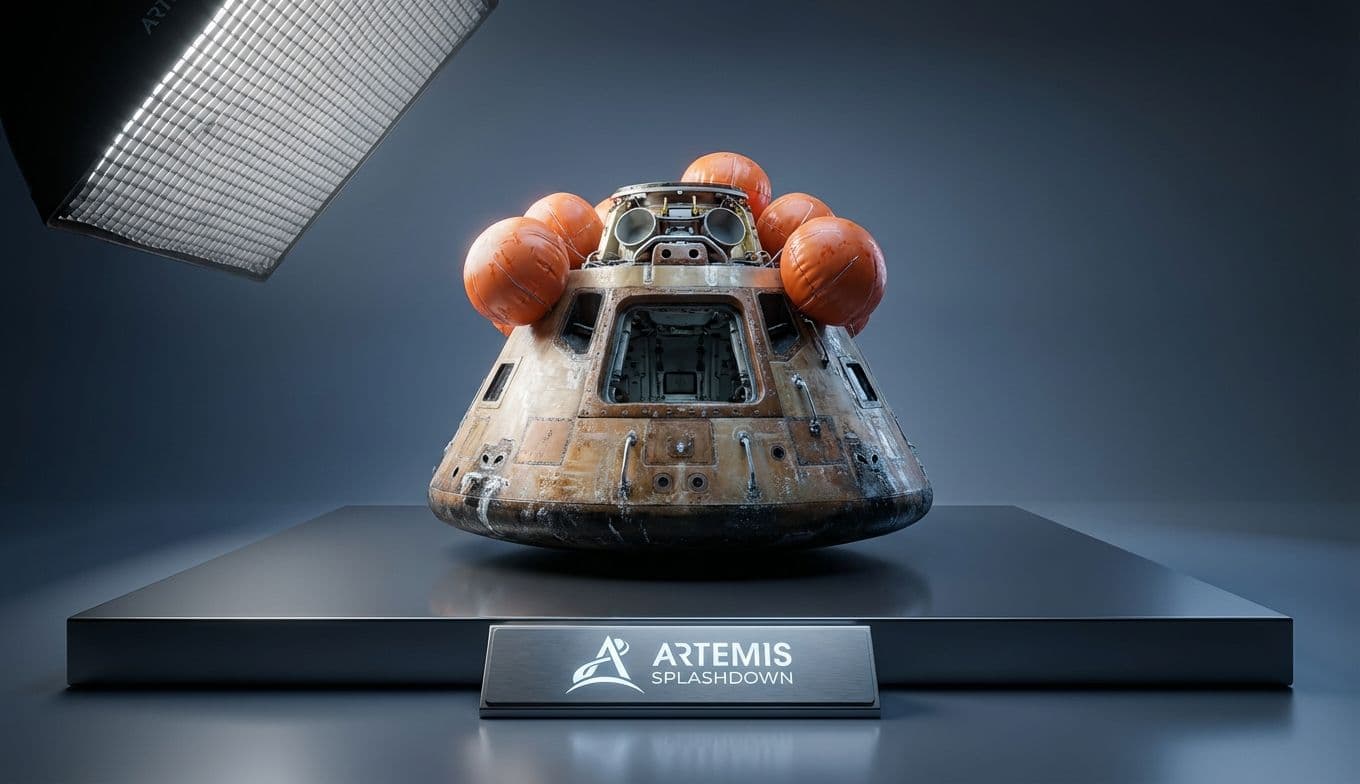
The Orion capsule is scheduled to splash down near San Diego at approximately 5:07 PM PT / 8:07 PM ET. This isn't just a quick "blink and you miss it" event. The re-entry sequence is a masterclass in physics and engineering, and NASA provides a front-row seat to the entire process.
The best way to catch every moment is via the NASA TV YouTube channel or the official NASA+ streaming app. Live coverage typically begins several hours before splashdown, featuring real-time telemetry, views from the recovery ship USS John P. Murtha, and expert commentary on the "skip entry" maneuver Orion uses to bleed off velocity. For a more communal experience, many local planetariums and science centers are hosting live-stream events, providing a perfect opportunity to witness history alongside fellow enthusiasts.
Hosting the Ultimate Splashdown Party
If you are planning to host a viewing party, skip the standard chips and salsa. To truly celebrate a mission of this magnitude, the details matter. You want your gathering to reflect the precision and wonder of the mission.
Start with the centerpiece. The Nordic Ware Starry Night Loaf Pan is a perfect choice for creating a "Galaxy Cake" that looks as sophisticated as a nebula. For snacks, skip the generic sweets and go for a DIY "Meteorite Munchie" bar using Ghirardelli Midnight Reverie dark chocolate and edible silver luster dust. It provides that metallic, space-age sheen that looks incredible under the right lighting.

To set the mood, move beyond simple dimmers. The BlissLights Sky Lite 2.0 projects a moving nebula cloud and stars across your ceiling, transforming a standard living room into a deep-space observation deck. It is the kind of atmospheric touch that makes the grainy footage of a capsule descending under parachutes feel that much more immediate.
Bringing the Mission Home: The Gold Standard of Gear
The fascination with Artemis II has sparked a massive wave of high-quality consumer products that move beyond simple toys into the realm of true collectibles and precision instruments.
For the builders, the LEGO Icons NASA Artemis Space Launch System (Set 10341) is the definitive tribute to this mission. With 3,601 pieces, it features the mobile launcher, the SLS rocket, and the Orion capsule itself. Unlike smaller sets, this is an architectural feat that demands a permanent place on a bookshelf or office desk. It is a tangible reminder of the complexity required to send four humans around the Moon.
If the mission has inspired you to look at the stars yourself, the Celestron StarSense Explorer DX 130AZ is the bridge between amateur stargazing and professional observation. What makes this model stand out is its integration with your smartphone. It uses the phone’s GPS and "Lost in Space" (LISA) algorithm to guide you to celestial objects in real-time. You don't need a degree in astrophysics to find the Orion Nebula; you just need to follow the arrows on your screen.
Aerospace Materials in the Palm of Your Hand
The "nitty-gritty" of re-entry involves managing extreme heat and structural stress using advanced materials. Interestingly, these same aerospace innovations are finding their way into premium consumer goods. When you see the Artemis crew survive the 5,000-degree heat of re-entry, you are seeing the ultimate test of ceramics and titanium.
Titanium, prized by NASA for its incredible strength-to-weight ratio, is now a staple in high-end everyday carry (EDC) items. The Ridge Titanium Wallet is a prime example—it uses the same grade of metal found in spacecraft to create something nearly indestructible yet incredibly light. Even the Apple Watch Ultra 2 utilizes an aerospace-grade titanium case, specifically designed to handle the kind of rugged environments the Artemis astronauts face during survival training.
Ceramics, too, have moved from heat shields to the kitchen and the wrist. High-end watchmakers like Tudor and Omega use ceramic bezels because they are virtually scratch-proof and won't fade under UV exposure—properties essential for hardware orbiting the Earth. In the kitchen, brands like Caraway utilize ceramic coatings for non-stick surfaces that can handle high heat without the chemicals found in traditional coatings. Every time you use these products, you are benefiting from the same material science that brings the Orion capsule home safely.
The Enduring Legacy of Artemis II
The return of the Artemis II crew is a triumph of human ingenuity, but its lasting impact will be felt in the curiosity it ignites. This mission isn't just about four people in a capsule; it is about a collective move back toward exploration and discovery.
Whether you are inspired to build a scale model of the rocket, invest in a piece of titanium engineering, or simply spend an evening staring through a telescope at the lunar surface, the influence of this mission is everywhere. As the Orion capsule makes its final descent into the Pacific, it brings back more than just data. It brings a renewed sense of what we can achieve when we aim for the stars—and a very good reason to upgrade our own corner of the world with a bit of space-age technology.