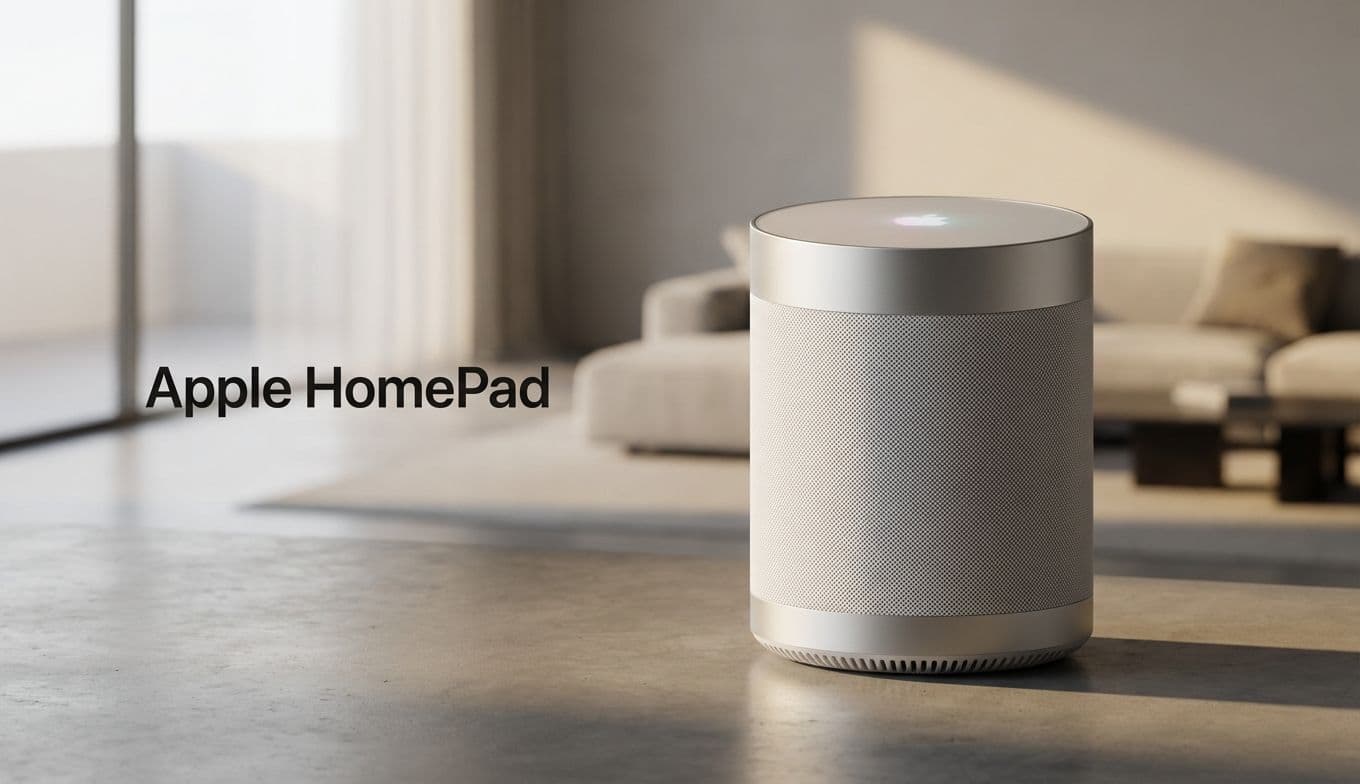
Apple HomePad Rumors: Smart Display Delay & Siri AI Overhaul
Team GimmieApple's Smart Home Gamble: The Robot Arm and the Siri Renaissance
Apple is facing a make-or-break moment in the smart home. For years, the company has allowed Amazon and Google to dominate our kitchen counters and bedside tables with screens that double as digital picture frames and recipe books. While the iPad has served as a makeshift command center for many, it has never quite fit the role of a dedicated, always-on home hub. Now, the whispers of a dedicated Apple smart home display—often referred to as the HomePad—have reached a fever pitch. But this isn't just about catching up. Based on the latest leaks, Apple is preparing a two-pronged attack that could redefine what we expect from a home gadget, provided they can finally fix their biggest Achilles' heel: Siri.
The latest reports from industry insiders like Mark Gurman and Kosutami suggest that while we were hoping for a spring reveal, the launch has been pushed to this fall. This delay isn't just a scheduling hiccup; it is reportedly tied to the massive AI overhaul coming with iOS 27. Apple is betting everything on a new, chatbot-style Siri that can actually handle complex requests instead of just telling you it found some web results for your query. For anyone looking at this as a potential gift or a home upgrade, the question isn't just when it arrives, but whether Apple’s vision of a robotic, AI-driven home is worth the premium price tag.
The Two-Tier Strategy: From Static Screens to Robotic Arms
What makes the current rumor cycle so fascinating is that Apple doesn't seem to be working on just one device. Instead, we are looking at a tiered approach that separates the practical from the futuristic.
The first device, codenamed J490, is the one expected to arrive this fall. Think of this as the accessible entry point—a high-resolution Retina display integrated with a powerful speaker, designed to be the central nervous system of your HomeKit setup. It will likely handle the basics with Apple's signature polish: FaceTime calls that follow you around the room, seamless Apple Music integration, and a dedicated interface for controlling lights, locks, and thermostats.
However, the real showstopper is the premium cousin reportedly planned for 2027. This version is rumored to feature a robotic arm that can tilt and rotate the display to face the user automatically. This isn't just a gimmick for the sake of being "techy." A robotic display could significantly improve the experience of following a recipe while moving around a kitchen or keeping a toddler in frame during a call with grandparents. It marks a shift from a passive screen to an active participant in the home environment. By leaking these details now, Apple is signaling that they aren't just building a me-too product; they are building a robot for your countertop.

Siri and iOS 27: The Brain Behind the Beauty
The hardware sounds impressive, but the hardware is not why Apple pushed the launch to the fall. The real reason is the software. Apple is reportedly waiting for its new generative AI capabilities to be fully baked into iOS 27. This is the update that is supposed to transform Siri from a glorified kitchen timer into a genuine digital assistant.
For years, Siri has lagged behind Google Assistant’s knowledge graph and Alexa’s sheer volume of smart home integrations. The iOS 27 update aims to bridge that gap with a conversational, context-aware AI. Imagine asking your home display to "set the mood for movie night," and having it not only dim the lights but also suggest a film based on your family’s shared watch history and check if the smart popcorn maker is plugged in.
If Apple can deliver an AI that feels proactive rather than reactive, the HomePad becomes an indispensable tool. If they fail, and Siri remains as frustratingly limited as she is today, then no amount of high-end industrial design or robotic movement will save this device from becoming an expensive paperweight.
Gifting Personas: Who Actually Needs an Apple Display?
When we think about gifting high-end tech, it’s rarely about the specs and usually about the problem the device solves for the recipient. Based on what we know, there are a few specific people who would benefit most from this device.
The Privacy-Conscious Parent: For parents who are wary of putting microphones and cameras from Amazon or Google in their children's play areas, Apple’s stance on privacy is a major selling point. Because Apple’s business model isn't built on selling user data for advertising, the HomePad is an easier sell for a living room hub. It’s the ideal gift for the parent who wants the convenience of a smart home without feeling like they’re being tracked.
The Distance Caretaker: If you have an elderly parent or a relative living far away, the combination of a dedicated FaceTime station and HomeKit monitoring is a game-changer. This device could allow a caretaker to easily check in via video or ensure that the smart locks are engaged at night, all within a secure ecosystem that is famously easy for non-tech-savvy users to navigate.
The Smart Home Architect: We all know someone who has every lightbulb, plug, and shade connected to their phone. For the HomeKit power user, this display is the missing piece of the puzzle. It moves the controls off the iPhone and onto a permanent, shared surface where the whole family can manage the environment without needing to hunt for a mobile device.
The Reality Check: Price and Platform Lock-In
While the hype is building, we have to stay grounded in reality. This is an Apple product, which means it will carry a premium price. We can expect the base model to sit at the top end of the current smart display market, likely north of three hundred dollars, with the robotic version potentially reaching iPad Pro price territory.
There is also the matter of ecosystem lock-in. If your household is a mix of Android phones, Spotify accounts, and Nest cameras, the HomePad will feel like a golden cage. Apple’s best features are always reserved for those who stay within the walled garden. If the person you are buying for isn't already using an iPhone or a Mac, this is probably not the gift for them.
Furthermore, the competition isn't standing still. Amazon’s Echo Show 15 and Google’s Nest Hub Max are mature products with years of feature updates behind them. Apple has to do more than just show up late to the party; they have to provide a reason for people to switch.
Final Verdict: Why Waiting is the Right Move
Should you be setting aside a "HomePad fund" for the fall? If you are deeply invested in the Apple ecosystem and have been waiting for a more elegant way to manage your smart home and FaceTime calls, then yes, this is the device you’ve been waiting for. The promise of an AI-driven Siri and the potential for a robotic future make this much more interesting than a standard smart speaker.
However, the smart move is to wait for the actual reveal of iOS 27. The success of this hardware is entirely dependent on the intelligence of the software. Until we see if the new Siri can actually handle the nuances of daily life, the HomePad remains a "wait and see" prospect. Apple is known for refining categories, and if they pull this off, they might just turn the smart display from a niche gadget into the heart of the modern home. But for now, hold onto your wallet and watch the fall keynote closely. The era of the Apple robot is coming, but it needs a brain first.