Apple App Store Fees in China: Impact on Tech Gifting
Team GimmieThe Hidden Battery: Why Apple's Move in China Changes How We Gift Gadgets
Tech news often feels like white noise until it starts affecting your bank account or the longevity of the devices you buy. Recently, Apple made a quiet but significant move in China, dropping its App Store commission from the standard 30 percent down to 25 percent, while lowering the rate for smaller developers to 12 percent. On the surface, this looks like a regional concession to keep Chinese regulators from launching a full-scale antitrust investigation. But for those of us who track the life cycles of the gadgets we gift to friends and family, this news is a bellwether for the future of tech longevity.
When you buy a piece of hardware today, you aren't just buying glass, aluminum, and silicon. You are buying a ticket into a software ecosystem. Apple's decision to blink in the face of regulatory pressure suggests that the walled garden is finally seeing some cracks. This isn't just a win for Chinese developers; it is a signal that the global cost of digital ownership is beginning to shift. For the gift-giver, this matters because it impacts whether that new tablet remains a useful tool for five years or becomes a paperweight in two.
The Software Ecosystem as a Gift Investment
When we choose a gift, we often focus on the specs. We look at the processor speed, the screen brightness, and the battery life. But as any tech journalist will tell you, the hardware is only half the story. The true value of a gift lies in its software longevity. A healthy developer ecosystem is the hidden battery that keeps a device running long after the initial excitement has faded.
Apple’s concessions in China are part of a global domino effect. We are seeing similar pressures in Europe and the United States. Why does this matter for your next purchase? Because lower developer fees mean more breathing room for the people making the apps we use every day. When developers keep more of their revenue, they have a greater incentive to maintain their apps, update them for older hardware, and potentially lower subscription costs for the end user. If you are gifting a subscription-heavy device, like a tablet for a student or a fitness watch for a spouse, these shifting fee structures could eventually translate into lower monthly costs or more features bundled into the apps they love.

Hardware Showdown: Why the App Store Still Justifies the Price Tag
To understand why the software ecosystem is the ultimate tie-breaker, let us look at two of the most popular gift choices on the market: the iPad Air and the Samsung Galaxy Tab S9.
On paper, the Samsung Galaxy Tab S9 is a powerhouse. It has a stunning OLED screen and includes the S-Pen in the box. However, when you look at the tablet app ecosystem, the iPad Air (equipped with the M2 chip) often wins the long-term investment battle. This is precisely because of the App Store's profitability. Because developers have historically made more money on iOS, they prioritize high-end, tablet-optimized software for the iPad.
Take Procreate, for example. It is the gold standard for digital illustration and is exclusive to iPadOS. While Android has excellent alternatives like Clip Studio Paint, the polish and optimization of iPad-exclusive apps are a direct result of a fee structure that, while controversial, has funded a decade of high-end software development. When you gift an iPad Air, you aren't just giving a screen; you are giving access to a library of professional-grade tools that are guaranteed to be updated for years. Apple’s recent fee reductions are an attempt to keep that developer loyalty high while keeping regulators at bay—a balancing act that ultimately benefits the person receiving the gift by ensuring their "Safe" investment stays relevant.
Gifting for the Long Haul
If you are buying a smartphone, the stakes are even higher. Choosing between an iPhone 16 Pro and a high-end Android flagship often comes down to the recipient’s gaming or productivity habits. Apple has recently used its App Store influence to bring console-quality games like Resident Evil Village and Death Stranding to the iPhone. These ports are only possible because Apple provides a stable, profitable platform for developers to port massive files and complex engines.
A shift in fee structures globally could lead to even more of these high-end experiences. By reducing the "Apple Tax," the company is essentially making its platform more attractive to developers who might have previously balked at the 30 percent cut. As a gift-giver, this means the iPhone you buy today is more likely to receive "AAA" software support three or four years down the line. It turns a piece of consumer electronics into a durable good.
The Gift-Giver's Strategy: The App Health Check
As we watch these global regulatory battles play out, from China to the EU, the takeaway for the consumer is clear: follow the developers. Before you pull the trigger on a niche gadget or a new platform, perform what I call an "App Health Check."
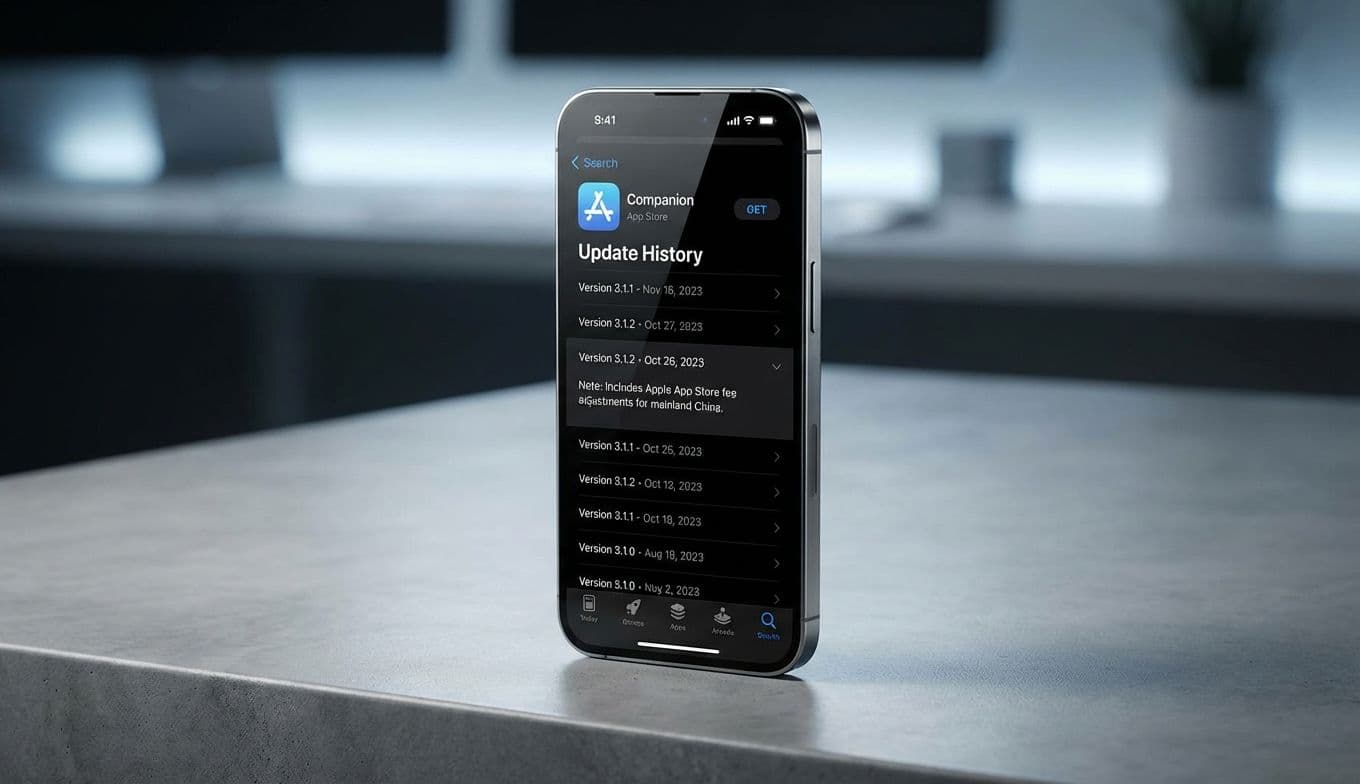
If you are looking at a specialized gift—perhaps a niche fitness tracker, a smart home hub, or a creative peripheral—don’t just look at the hardware reviews. Go to the App Store or Google Play Store and check the "Version History" of the companion app. Is it updated monthly? Are the developers responding to bug reports?
The news from China tells us that even the biggest tech giants are being forced to play fair to keep their ecosystems healthy. For you, that means the "Apple Tax" is slowly being negotiated down, which is good news for the diversity of apps available on your devices. When the software landscape is competitive and fair, the hardware we buy becomes more valuable.
In the end, the best tech gift is one that grows with the user. By keeping an eye on these global shifts in how apps are funded and distributed, you can ensure that the gadget you give today doesn't just work out of the box, but remains a vital part of the recipient’s digital life for years to come. Always remember: the most expensive device is the one that loses its software support the fastest. Choose the ecosystem that is fighting to keep its developers—and its users—happy.