Anthropic Mythos Leak: How to Vet AI Gadgets for Security
Team GimmieThe Anthropic Leak: 3 Ways to Vet AI Gadgets Before You Buy
When news broke that Anthropic’s most restricted AI model, Mythos, had been accessed by unauthorized users, the cybersecurity community went into high alert. Mythos isn’t your average chatbot; it’s a specialized powerhouse designed to sniff out vulnerabilities in operating systems and web browsers—the digital equivalent of a master locksmith who also happens to be a world-class burglar.
My first thought wasn’t about the existential threat to global infrastructure, though that is certainly on the table. Instead, I thought about the smart camera in your nursery, the voice assistant in your kitchen, and the fitness tracker on your wrist. There is a common misconception that high-level AI breaches only matter to the Pentagon or Fortune 500 companies. The reality is that the digital "holes" Mythos was built to find are the exact same ones that let bad actors into the consumer gadgets we buy every day.
The Invisible Bridge Between Mythos and Your Home
To understand why a leak at a lab like Anthropic matters to a casual shopper, you have to look at what Mythos actually does. It is designed to find zero-day vulnerabilities—security flaws that the developers themselves don’t know exist yet.
Most consumer electronics, from smart fridges to budget security cameras, run on stripped-down versions of Linux or Android and rely on standard web protocols to communicate with the cloud. If an AI like Mythos identifies a flaw in a common web browser engine or a standard operating system kernel, it provides a blueprint for bypassing security on millions of consumer devices simultaneously. When powerful tools like this fall into the "wrong hands" via insider access or internet sleuthing, the time it takes for a sophisticated exploit to reach a common home gadget shrinks from years to weeks.
This doesn't mean you should clear your shelves and go back to analog. It does mean, however, that the criteria for what makes a gadget a "good gift" has fundamentally changed.
Prioritize On-Device Intelligence Over the Cloud
The single most effective way to protect yourself from large-scale AI exploits is to choose products that favor on-device processing.

Most AI gadgets work by sending your data—your voice, your face, your heart rate—to a massive server in the cloud, processing it, and sending a response back. This "cloud-first" approach is where the most significant vulnerabilities live. If a model like Mythos finds a back door into a company’s server architecture, every user’s data is exposed.
In contrast, on-device AI keeps the "thinking" local. For example, when you look for a smart home hub, look for brands that process automation locally rather than requiring a constant ping to a remote server. This creates a "moat" around your home. If a hacker uses an AI exploit to attack a company’s central server, your device remains a localized fortress because its most sensitive functions aren't living on the open web.
Look for the Security Gold Standards
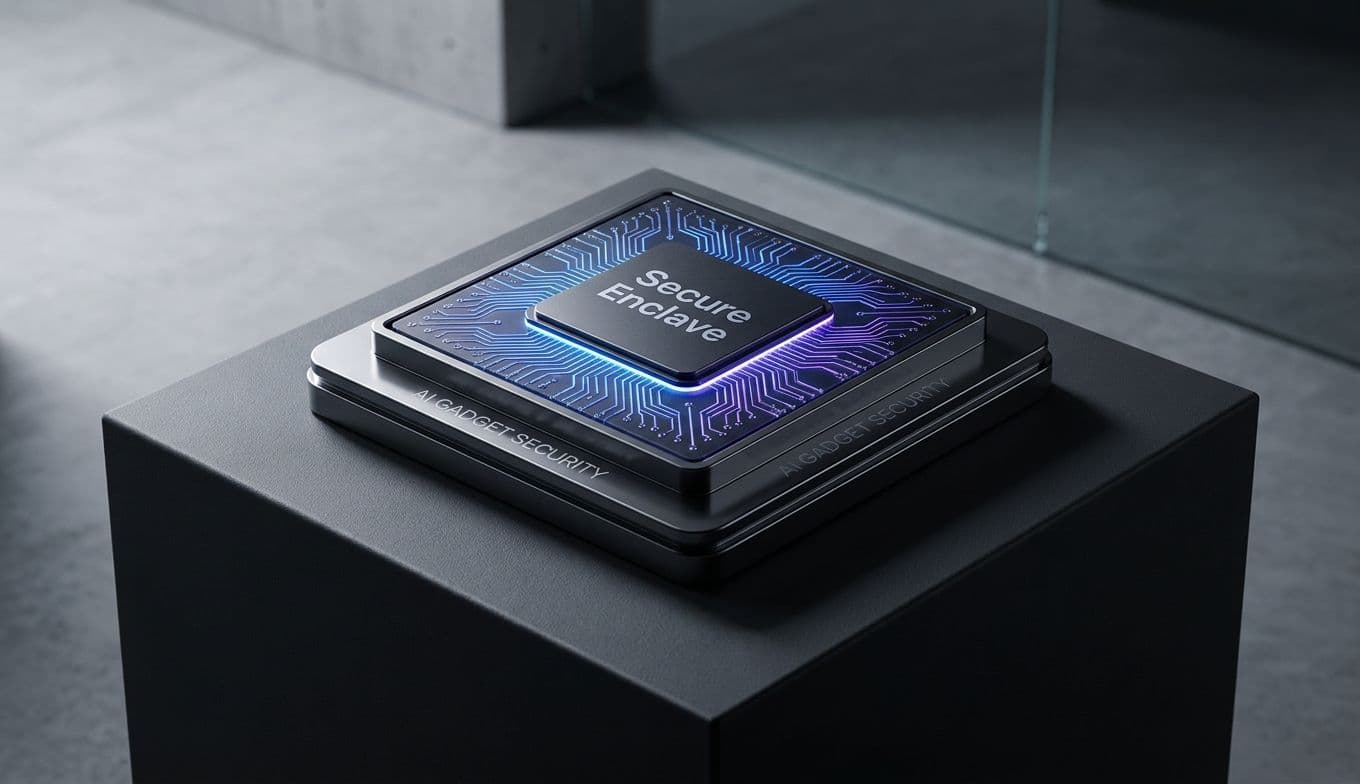
As AI becomes the primary selling point for electronics, we need to stop looking at megapixels and start looking at silicon. The "Gold Standard" for consumer tech today is hardware-level security—physical chips dedicated solely to protecting your most sensitive data from the rest of the device’s software.
If you are buying a smartphone or a high-end tablet, look for specific hardware safeguards. For instance, Apple’s Secure Enclave is a dedicated subsystem integrated into their chips that is isolated from the main processor to keep biometric data and encryption keys safe. Similarly, Google’s Titan M2 security chip in Pixel devices provides a hardware-based root of trust that is significantly harder for an AI exploit to crack than standard software-based security.
When you’re browsing for gifts, don’t just settle for a generic "AI-powered" label. Check the technical specs for mentions of dedicated security processors. These are the "seatbelts" of the digital age. Brands that invest in hardware-level security are signaling that they take the threat of automated exploits seriously.
The AI Vetting Checklist: 4 Questions for Every Purchase
To make this practical, I’ve distilled the vetting process into a punchy checklist. Before you click "Add to Cart" on that new AI-enhanced gadget, run it through these four filters:
-
Does it have a hardware-based security chip? Look for names like Secure Enclave, Titan M2, or Knox. If the security is purely software-based, it’s a much easier target for automated AI tools.
-
Is the AI local or cloud-dependent? Read the fine print. Does the device need an internet connection to perform its basic AI tasks? If it can function offline, your privacy is significantly higher.
-
What is the update track record? Vulnerability-finding AI moves fast. You need a manufacturer that moves faster. Only buy from brands with a proven history of monthly security patches. If a company hasn't updated its firmware in six months, it’s a sitting duck.
-
Is the AI a tool or a gimmick? If a product claims to use AI for something simple—like a "Smart AI Toaster"—it’s likely marketing fluff that adds a security risk without adding actual value. Stick to AI that solves a real problem, like adaptive noise canceling or advanced health sensors.
Moving Forward with Caution and Optimism
The incident with Anthropic’s Mythos is a clear signal that the bar for cybersecurity has been raised. We are entering an era where hackers have access to the same high-level reasoning tools as the defenders. This isn't a reason to be afraid, but it is a reason to be a more demanding consumer.
By shifting our focus from flashy features to architectural integrity, we can still enjoy the genuine benefits of the AI revolution. Whether it’s an ecobee thermostat that learns your schedule to save energy or a pair of Sony headphones that use local AI to clear up your voice on a crowded street, the value is there. We just need to make sure the tech we bring into our homes is built to withstand the very tools that were designed to break it.
The future is bright, but only if we keep our eyes open and our security standards high. Choose gadgets that respect your data as much as you do.