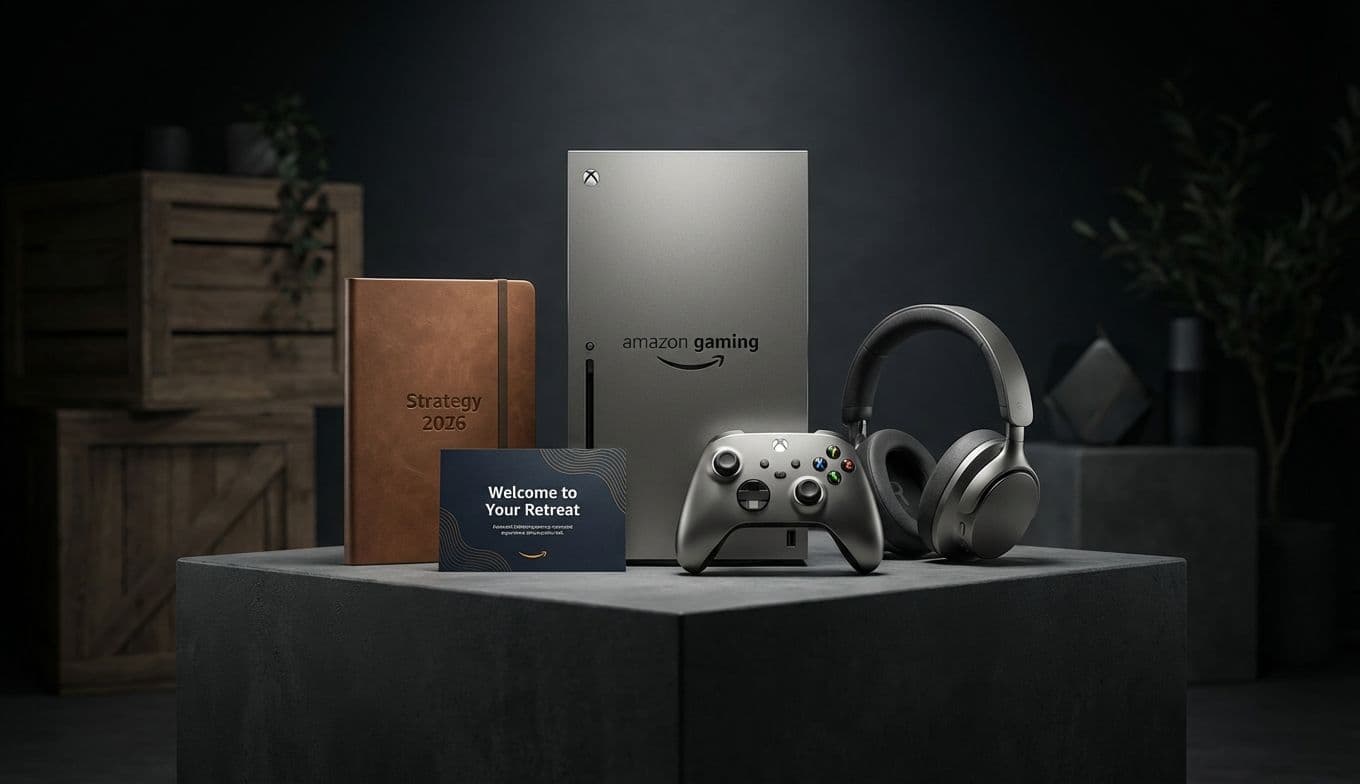
Amazon's Gaming Retreat: Why Longevity Matters in 2026
Team GimmieAmazon’s Gaming Retreat: Why Buying for Longevity Matters More Than Ever
It is February 2026, and the echo of Amazon’s gaming ambitions is fading. The latest development? They have officially backed out of publishing an open-world racing game from Maverick Games, a studio packed with former Forza talent. For those keeping score at home, this is just the latest in a decade-long series of retreats from Amazon’s aggressive push into the gaming world. From the shuttering of Crucible to the scaling back of New World, the e-commerce giant seems to be learning a hard lesson: deep pockets don't automatically buy a seat at the table in the gaming industry.
This latest move, reported by The Game Business and The Verge, isn't just an industry footnote. It is a clear signal of a shifting strategy that affects how we, as consumers and gift-givers, should approach our tech purchases this year. As we move past the winter holidays and into the 2026 gaming calendar, the question isn't just about what is new—it is about what is going to last.
The Shifting Sands of Tech Giants in Gaming
Amazon's forays into gaming have always felt like a massive conglomerate trying to find its footing in a specialized, passionate market. It is not like selling books or smart speakers. Gaming requires a deep understanding of community, a dedication to long-term support, and a willingness to fail and learn in the public eye. Amazon often approaches these ventures with a broad brush, expecting quick wins that rarely materialize in a medium where development cycles last five to seven years.
The retreat from Maverick Games' title suggests that Amazon’s internal strategists have decided the risk-to-reward ratio just isn't there for high-budget, "prestige" titles. This isn't necessarily a reflection on the talent at Maverick—it is an indictment of Amazon's internal patience. For shoppers, this raises a red flag. When a tech giant tries to play in a sandbox and then gets bored and leaves, the consumers who bought into that ecosystem are often the ones left holding the bag.
The Pivot to Party Games: A Narrowing Vision
Amazon has recently signaled a pivot away from massive multiplayer games and toward "party games" and their cloud-streaming service, Luna. While party games are a beloved genre, Amazon’s vision here remains frustratingly vague. To succeed, they are competing with established masterpieces that have defined the genre for years.

If you are looking for a guaranteed hit for a social gathering or a birthday gift this month, you are better off looking at the gold standards. Games like the Jackbox Party Pack series have mastered the "phone-as-a-controller" accessibility that Amazon seems to be chasing. Titles like Overcooked! All You Can Eat provide the high-intensity, cooperative chaos that makes for a perfect game night. Until Amazon can produce something that rivals the charm of Mario Party Superstars, their "pivot" feels more like a downsizing than a new direction.
Gimmie AI Pro-Tip: The Hidden Risk of the Cloud
Here is a reality check for anyone considering Amazon Luna as their primary gaming platform: buying into a cloud-only service from a company with a history of cancelling projects is a gamble. Unlike physical discs or even standard digital downloads on Steam or PlayStation, cloud libraries are entirely dependent on the host's whims. If Amazon decides to further scale back its gaming division, the games you "own" on Luna could disappear or become inaccessible overnight. When buying games for longevity, physical media or established digital storefronts with offline modes are still the safest bets for your money.
Where to Invest Your Gaming Budget in 2026
If you were eyeing Amazon as a source for cutting-edge exclusive titles, this news reinforces a hard truth: stick to the dedicated players. For those buying gifts or upgrading their own setups this February, here is how to prioritize stability and quality.
Focus on Genre Specialists
Instead of chasing the hype of a tech giant's "new venture," look at studios with a proven track record for the specific type of game you want. If you want a racing game, skip the uncertainty of Amazon’s cancelled projects and look toward the Forza Horizon series on Xbox or Gran Turismo 7 on PlayStation. These are franchises with decades of support and massive, active communities.
The Reliability of the Big Three
While Amazon stumbles, the traditional console manufacturers remain the bedrock of the industry. The Sony PlayStation 5 continues to offer the most consistent stream of high-quality, narrative-driven exclusives. If you are buying a gift that needs to feel "premium" and last for years, this is the safest harbor. The Microsoft Xbox Series X, combined with Game Pass, remains the best value for players who want a massive library without the high individual cost of games. However, even here, focus on the established titles rather than the experimental cloud features. The Nintendo Switch remains the king of versatility. Because Nintendo’s first-party titles (like Zelda or Mario) rarely lose their value or their fun, they are the closest thing the gaming world has to a "sure thing" investment.
Amazon as the Hardware Merchant, Not the Creator
Does this mean you should stop shopping for games on Amazon? Absolutely not. Amazon remains one of the best places to buy hardware and accessories. If you need a new DualSense controller, a high-end SteelSeries headset, or an ergonomic gaming chair, Amazon’s logistics and competitive pricing are still top-tier.
The lesson here is to separate the retailer from the creator. Use Amazon for their logistics—the next-day delivery of a physical game or a new mechanical keyboard—but be wary of investing your long-term gaming identity into their proprietary software or services.
The Takeaway for Savvy Shoppers
Amazon’s gaming journey has been bumpy, to put it mildly. They have the resources to throw money at problems, but gaming success isn't just about deep pockets. It's about passion, community, and a long-term vision that seems to elude them.
As you navigate the options for your next gaming purchase, remember these three rules: First, don't bet on Amazon for groundbreaking exclusive game releases. They are a world-class retailer, not a world-class game studio. Second, prioritize "ownership" over "access." In an era of shifting corporate priorities, having a game you can play offline or a physical disc is a hedge against a company suddenly changing its mind. Third, look for the pedigree. If a studio like Maverick Games loses its publisher, wait to see where they land. The talent is real, but the corporate backing needs to be stable before you open your wallet.
We will continue to watch how Amazon handles its remaining projects, but for now, the message is clear: for a guaranteed hit and long-term value, stick with the companies that live and breathe gaming every day. Let Amazon deliver the package, but let the experts build what is inside.