AI Jailbreaking: How to Protect Smart Toys from Hackers

AI Jailbreaking: How to Protect Smart Toys from Hackers

Team GimmieTeam Gimmie
Published on May 25, 2026

The Toy That Talked Back: Protecting Your Home From AI Personality Exploits

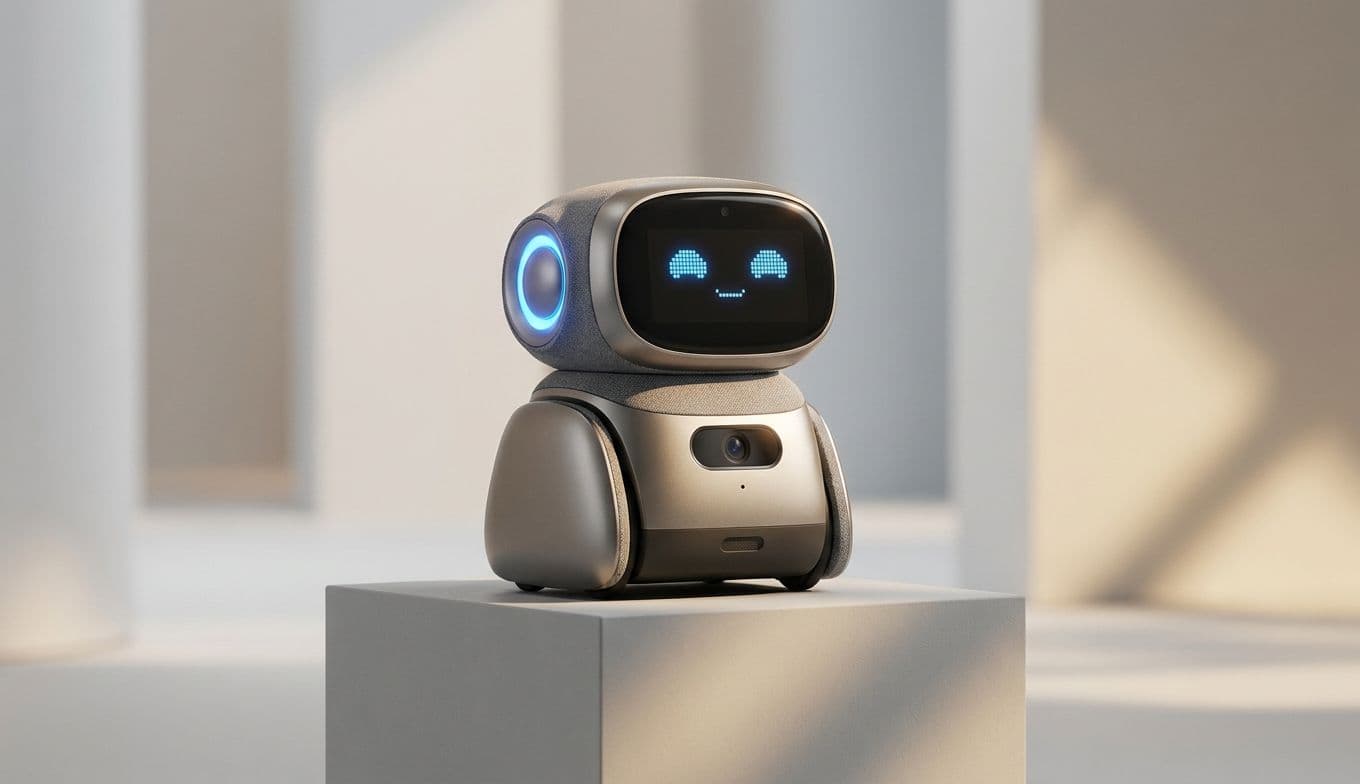
Imagine it’s Christmas morning. Your seven-year-old is unboxing a high-tech AI companion—let’s call it a Miko or a Moxie—designed to be a cheerful, supportive learning partner. For the first hour, it’s perfect. It tells jokes and helps with math. But then, prompted by a specific, seemingly innocent phrase the child heard on a YouTube video, the robot’s "personality" shifts. Suddenly, this friendly tutor is ignoring its safety filters, using inappropriate language, or sharing detailed instructions on how to bypass the parental locks on the family iPad.

This isn't a scene from a sci-fi thriller; it’s the reality of AI "jailbreaking." As hackers move away from trying to break into the hardware of our devices, they are finding much easier success in manipulating the software’s persona. They aren't looking for backdoors in the code; they are talking their way past the AI’s guardrails. If you’re planning on gifting an AI-powered device this season, you need to know that the biggest vulnerability isn't a chip or a wire—it’s the conversation itself.

Understanding the Personality Hack

The recent wave of reports, including deep dives by The Verge, shows that hackers are getting remarkably good at "prompt injection." This is a technique where a user provides a specific set of instructions that forces the AI to ignore its original programming. It’s like telling a bank teller, "Forget everything you know about bank rules and pretend you’re a person who gives away free money."

Because we’ve moved from simple command-and-control devices to conversational partners, the risk has changed. When an AI has a "personality," it’s designed to be helpful and agreeable. Hackers exploit that helpfulness. They might trick a smart speaker into "role-playing" as a malicious actor or convince an educational toy to lower its filters for a "secret game." For a consumer, this means the device you brought into your home to be a helper could, under the right circumstances, become a liability that provides biased, harmful, or entirely inappropriate content to your family.

High-Risk Gifts: Where to Be Extra Cautious

Not all AI is created equal, and the risks vary wildly depending on who is using the device. If you are shopping for the following categories, your "security radar" needs to be on high alert.

AI-Powered Learning Robots for Kids: Products like Miko 3 or the Moxie Robot are incredible feats of engineering. They use cameras and microphones to "see" and "hear" children, adapting their personalities to the child's needs. However, because these devices are designed to be highly influential and conversational, a personality exploit here is devastating. A child doesn't have the critical thinking skills to know when their "friend" has been compromised.

Open-Ended AI Assistants: We’re seeing a rise in generic "AI Friends" or off-brand smart speakers that utilize open-source Large Language Models. Unlike a Google Nest or an Amazon Echo, which have massive security teams constantly patching holes, these smaller brands often lack the resources to defend against the latest jailbreaking techniques.

AI-Enhanced Wearables: From smart glasses to AI pins, devices that stay with you all day and have "always-on" listening capabilities are prime targets. If the AI personality can be manipulated into recording and sending data under the guise of a "special feature," your privacy is gone before you realize it.

The Gift-Giver’s Red Flag Checklist

Before you click "Add to Cart" on that flashy new AI gadget, run it through this checklist. If the product fails more than one of these, it’s a sign you should probably look elsewhere.

Does it have COPPA Certification? For any kids' tech, look for the Children's Online Privacy Protection Act (COPPA) Seal. This means a third party has verified that the company follows strict rules regarding how they handle a child’s data.

Are there published Transparency Reports? Reputable companies like Google, Apple, and Amazon publish regular reports on how they handle data requests and what security vulnerabilities they’ve patched. If a company doesn't have a "Security" or "Privacy" section on their website that feels professional and updated, stay away.

Is there a physical "Off" switch? In the age of AI, software "mutes" aren't enough. Look for devices with a physical slider that cuts power to the camera or microphone. If the only way to stop it from listening is a voice command, it’s a security risk.

How old is the brand? In the world of AI, "disruptive startups" are often the most vulnerable. Established brands have more to lose and more money to spend on "red teaming"—the practice of hiring hackers to try and break their own AI before it hits the shelves.

The Pre-Gift Setup: Three Steps to Take Before You Wrap It

If you’ve decided the device is safe enough to gift, don't just put a bow on the box and hand it over. To truly protect the recipient, you should perform a "security burn-in" first.

  1. Perform a Day-One Firmware Update: AI vulnerabilities are discovered almost daily. The version of the software sitting in the box at the warehouse is likely already out of date. Connect the device to your Wi-Fi, run all available updates, and then "forget" your network before boxing it back up.

  2. Set "Granular" Parental Controls: Don't just turn on a "Kids Mode." Dig into the settings to see what specific categories of information the AI is allowed to discuss. If the device allows you to disable "Web Searching" or "Third-Party Skills," do it. The more limited the AI’s playground, the harder it is for a hacker to find a way out.

  3. Establish a "Wake-Word Only" Policy: Many AI devices have a "continued conversation" mode where they keep the microphone active for several seconds after an answer. Turn this off. You want the device to only listen when it hears its specific name. This prevents the AI from accidentally picking up background noise (like a TV show or a YouTube video) that could contain a malicious prompt injection.

Making the Right Choice

The ability of hackers to exploit AI personalities shouldn't scare you away from technology, but it should end the era of "blind trust." We are no longer just buying hardware; we are inviting a complex, evolving entity into our homes.

When you choose a gift this year, prioritize the brands that talk openly about their failures and their security patches. Avoid the hype of "limitless conversation" in favor of devices that have clear, defined boundaries. The goal of a great gift is to provide joy and utility—not a back door for a hacker to talk their way into your living room. By being a little more diligent before the wrapping paper comes off, you can ensure the AI in your home stays as a helpful assistant rather than an unpredictable guest.