2026 Winter Olympics Merchandise Resale: Value Guide & Fake Check
Team GimmieThe 2026 Winter Olympics in Milano Cortina are barely halfway through the schedule, but a different kind of competition is already reaching a fever pitch: the race to flip merchandise for a massive profit. I spent my morning scrolling through eBay and Vinted, and the numbers are staggering. A "Jumbo Tina" plush mascot—the adorable white stoat representing the Games—recently sold for $450. On the official site, a standard version retails for a fraction of that.
It is a classic case of Olympic fever. From commemorative pins to the ubiquitous Swatch watches, the secondary market is currently flooded with sellers hoping to cash in on the "limited edition" hype. But before you drop half a month’s rent on a polyester stoat or a branded windbreaker, let’s take a breath. My experience tracking consumer trends tells me that while the buzz is at an all-time high right now, most of these souvenirs will eventually settle into a very quiet, very low-value retirement in a cardboard box under your bed.
The Mirage of the Instant Investment
We see it every four years. The International Olympic Committee and its partners are masters of creating a sense of urgency. They release "limited" runs of everything from water bottles to hoodies, and the psychology of the event makes us feel like we’re buying a piece of history. In reality, we’re often just buying mass-produced plastic and fabric.
The items being resold for "big bucks" right now are riding a wave of immediate scarcity. People who couldn’t make it to Italy or missed the initial online drop are panicking. But history is a cold judge of value. For an item to actually appreciate over decades, it needs more than just five rings on it; it needs historical gravity. Unless a specific item was worn by a gold medalist during a world-record performance, or it represents a massive cultural shift in the Games, its resale value usually peaks about three weeks after the Closing Ceremony. The folks paying $400 for Tina or her brother Milo right now are paying for the "now," not the "forever."
What Actually Holds Value: The Armani Factor
If you are looking for something that won’t just be a dust-collector, you have to look past the trinkets and toward the high-quality partnerships. For the 2026 Games, the heavy hitter is EA7 Emporio Armani. As the official outfitter for the Italian team, Armani has produced gear that bridges the gap between "merchandise" and "fashion."

Unlike a generic screen-printed t-shirt, an EA7 technical ski jacket or a high-end puffer with subtle Milano Cortina branding has inherent value. It is a piece of quality clothing from a world-renowned designer. Ten years from now, a collector might not care about a plastic pin from the 2026 downhill event, but a vintage Armani Olympic jacket in good condition will still have a market.
When shopping—whether at the venue or on the secondary market—prioritize these categories:
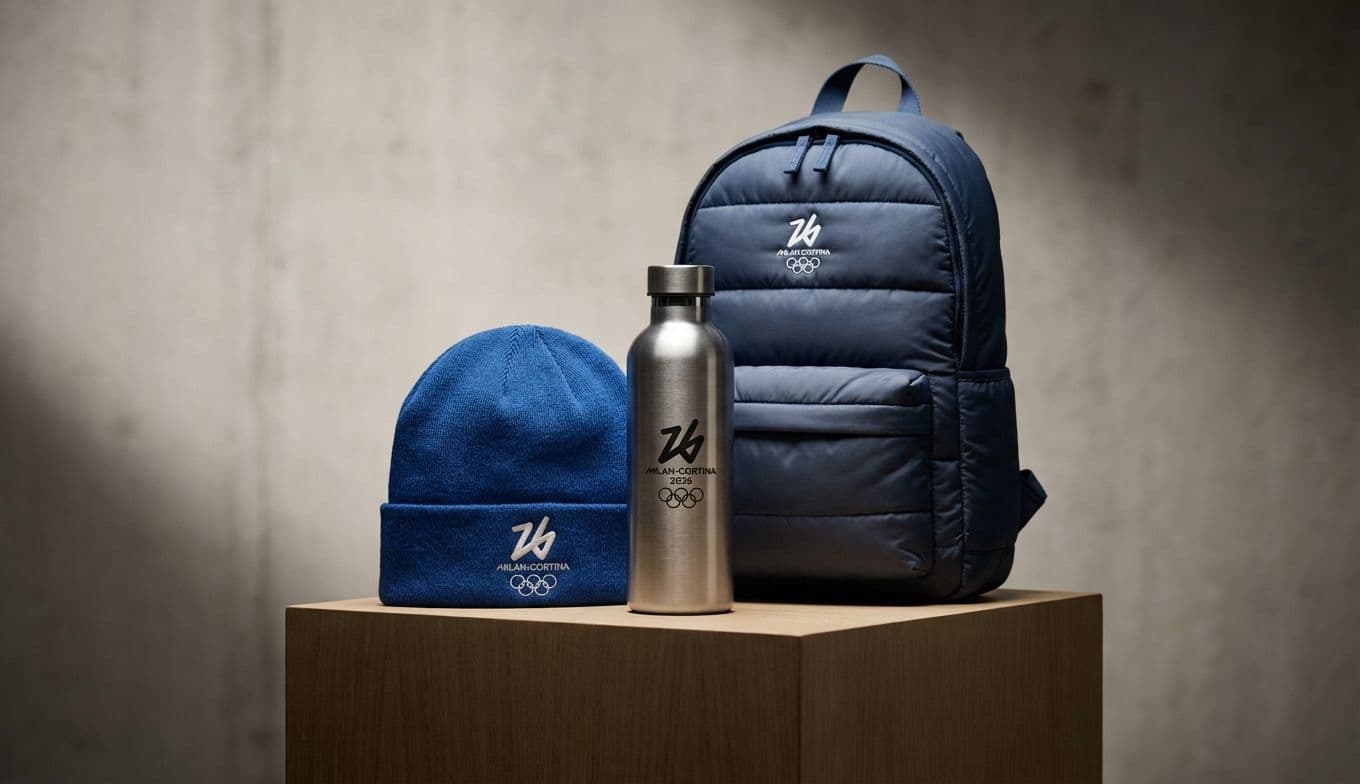
- Premium Functional Gear: Look for technical apparel from reputable brands like EA7. These items serve a purpose beyond being a souvenir.
- Regional Artistry: Milano and Cortina represent a unique blend of urban high fashion and rugged Alpine tradition. Items that utilize local Italian materials—like specific woodcrafts from the Dolomites or fine leather goods from Milan—carry a level of craftsmanship that mass-produced plush toys can’t touch.
- Truly Limited Collaborations: Keep an eye out for small-batch releases involving Italian artists. If a renowned designer has put their spin on a limited run of 500 items, that is where the real "collectible" status lives.
The Secondary Market Field Guide
If you are determined to buy from a reseller on eBay or Vinted, you need to be smart. The "Big Bucks" market is rife with opportunistic pricing and, unfortunately, outright fakes. Here is a quick checklist to keep you from getting burned:
Check the Hologram: Official Milano Cortina 2026 merchandise should come with a holographic security sticker. If a seller’s photos are blurry or don’t show this sticker, walk away. Verify the Manufacturer: Genuine premium gear will have clear branding from the partner (like EA7, Swatch, or Nike). Be wary of "official-looking" gear that doesn’t list a reputable manufacturer on the inner tags. Location Matters: Right now, many authentic items are being shipped directly from Italy. If you see a "rare" item shipping in bulk from a region with no ties to the Games or the official supply chain, it’s a red flag for a knockoff. Condition is King: For plushies like Tina and Milo, the "hang tag" is essential. A mascot without its original tag loses 70 percent of its potential collector value the second it’s removed.
Gifts That Matter More Than Money
If you are buying a gift for a sports fan, stop thinking about the resale price. The best Olympic gifts are the ones that capture the spirit of the event. A high-quality book documenting the history of the Winter Games or a piece of gear the recipient will actually wear on the slopes is worth a dozen commemorative coins.
For the fashion-forward, skip the plastic souvenirs and look for the EA7 accessories—scarves or beanies that use the elegant navy and tricolore palette of the Italian team. They are stylish enough to wear long after the torch is extinguished.
The Verdict: Buy for the Memory, Not the Margin
My advice is simple: buy Olympic gear because you love the design, because you were there, or because it reminds you of a specific moment that gave you chills. Don’t buy it because you think it’s a shortcut to a payday.
The secondary market is a volatile gamble. The people selling Tina plushies for $450 are hoping to find a "greater fool" before the hype dies down. By the time the 2028 Summer Games in LA roll around, the market for 2026 stoats will be a fraction of what it is today.
Focus on quality and personal connection. The most valuable souvenir is the one that stays in your wardrobe or on your shelf because it means something to you, not because you’re waiting for the right time to offload it on eBay. Enjoy the Games, cheer for the athletes, and leave the high-stakes flipping to the professionals. After all, the real gold in Milano Cortina is happening on the ice, not on a resale app.