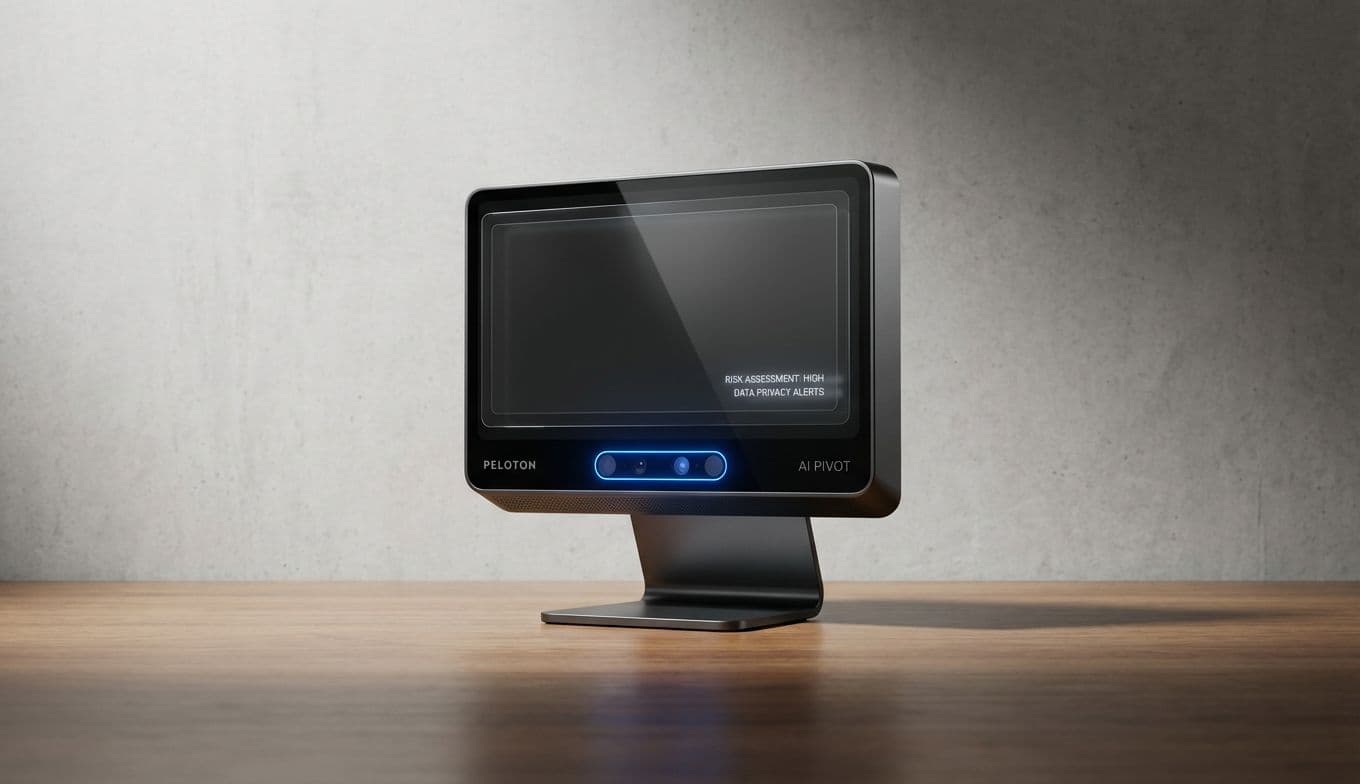
Peloton's AI Pivot & Layoffs: A Warning for 2026 Buyers
Team Gimmie
1/31/2026

The Ghost in the Machine: Why Pelotons AI Pivot is a Warning for Tech Buyers
You are not just buying a piece of steel and a heavy flywheel when you bring a Peloton into your home. You are buying a promise. Specifically, you are buying into the idea that the tablet attached to that bike will get smarter, more intuitive, and more personalized over time. But there is a growing problem with that promise: the people responsible for keeping it are being shown the exit.
Pelotons recent decision to slash another 11 percent of its workforce—just months after a high-profile pivot toward AI-powered hardware—is more than just a corporate restructuring story. It is a cautionary tale about the shelf life of "future-proof" technology. When a company marketing an AI-driven future fires the very engineers who build it, consumers need to ask themselves if they are buying a cutting-edge fitness tool or an expensive, stationary paperweight.
The Engineering Vacuum and the Threat of Feature Rot
In October, Peloton doubled down on its Cross Training Series, featuring the new Bike and Tread models powered by Peloton IQ. This AI-centric platform was meant to be the brand's salvation, offering hyper-personalized workout suggestions and adaptive resistance that feels like a real-life trainer. It was a bold move to justify the premium price tag.
However, the latest round of layoffs reportedly hit the engineering and technology departments the hardest. This creates a massive disconnect. Hardware is static; once it leaves the factory, it stays the same. Software, especially AI, is living. It requires constant feeding, patching, and evolving.
When the engineering talent pool is drained, we see a phenomenon called feature rot. This is when the shiny AI features you paid for today stop working as well tomorrow because they arent being optimized for new mobile operating systems or integrated with newer third-party apps. If the architects of Peloton IQ are gone, who is making sure the AI remains intelligent a year from now? For someone buying this as a long-term gift, the risk is that the smart features will eventually become buggy or stagnant, leaving the user with a very expensive screen that only plays videos.

The Buyers Stress-Test: 4 Questions to Ask Before You Tap to Pay
Buying high-ticket connected fitness gear in 2026 feels a lot like venture capital investing. You aren’t just looking at the product; you’re looking at the company’s runway. Before you drop thousands on a Peloton—or any tech-heavy fitness equipment—run it through this stress-test:
-
Does the machine function without the subscription? If Peloton were to pivot again or face further instability, does the hardware still work? Currently, Pelotons "Just Ride" mode is limited. If the company’s cloud services ever faltered, you’d be left with a bike that doesn't track your metrics. Always ask: Is this a bike with a screen, or a screen that happens to have a bike attached?
-
What is the secondary market value? Check Facebook Marketplace or Craigslist. If the market is flooded with used models at 30% of their original price, that’s a sign of a "fad" cooling off. A high-quality piece of hardware should retain at least 50-60% of its value after a year. If the brand is unstable, the resale value will plummet because buyers fear the loss of support.
-
Is the AI a "need" or a "nice-to-have"? If the main reason you are buying a Peloton is for the AI-driven Peloton IQ features, you are in the danger zone. If you are buying it because you love the specific instructors and the community, you are on safer ground. Hardware-dependent AI is the most vulnerable part of any tech product during layoffs.
-
Who is backing the ecosystem? Longevity in tech often comes down to who has the deepest pockets. A standalone company like Peloton is at the mercy of its quarterly earnings. A company with massive corporate backing is often a safer bet for long-term ecosystem stability.
Searching for a Safer Harbor: The Competitive Landscape
If Pelotons volatility gives you pause, you aren’t alone. The connected fitness market has matured, and there are alternatives that offer a more stable outlook for gift-givers and long-term investors.
Lululemon Studio (formerly Mirror) is a prime example of ecosystem safety. While it had its own growing pains, it is backed by Lululemon—a multi-billion dollar apparel powerhouse with a vested interest in keeping its fitness community engaged to sell more leggings. They aren’t just a hardware company; they are a lifestyle brand with the cash flow to weather a tech storm.
For those focused on strength, Tonal remains the gold standard. While it is also a niche tech product, its focus is narrower and its AI is the core product, not a secondary pivot. It has carved out a space where the hardware (digital weights) is so unique that it doesn't have a "dumb" equivalent.
Then there is Hydrow. Rowing is a specific discipline, and Hydrow has stayed remarkably consistent. They haven't chased every AI trend; they focused on high-quality content and a premium rowing experience. For a gift-giver, there is a lot of value in a company that knows exactly what it is and doesn't feel the need to reinvent itself every six months.
The Verdict: Buy for Today, Not the Roadmap
The lesson of the Peloton layoffs is simple: Never buy a product based on what the company says it will do in the future. In the world of tech, "the roadmap" is often the first thing that gets scrapped when the budget gets cut.
If you love the current Peloton classes and the hardware feels right for your home today, it is still a world-class fitness experience. But if you are buying it because you’re excited about the "future of AI coaching" or "upcoming tech integrations," you might want to wait.
We are entering an era where software and hardware are becoming inseparable, but the talent required to maintain that bond is becoming more expensive and harder to keep. When you see a company firing its architects while promising to build a digital skyscraper, it’s okay to stay on the ground floor for a while. Fitness is a marathon, and you want to make sure the company you’re riding with actually has the legs to finish the race.