Parenting During Community Unrest: Creating a Safe Home Sanctuary
Team Gimmie
1/30/2026

The Sanctuary of the Home: Navigating Parenthood and Gifting in Times of Community Unease
The email arrived on a Saturday morning from the Children’s Theatre Company of Minnesota. The subject line was the kind that makes a parent’s heart sink before they even click: the weekend performances of Go, Dog. Go! were canceled. The reason given was for the safety of patrons, staff, and artists. Only later did the full context emerge. Nine blocks away, federal agents had been involved in a fatal shooting. The victim was Alex Pretti, and the streets were filled with a tension that doesn't just dissipate when the police tape is taken down.
For many Minneapolis parents, this wasn't just a scheduling conflict. It was a collision of worlds. The tickets were a Christmas gift for a four-year-old girl—her first introduction to the magic of the stage—now replaced by the reality of a city under a pervasive sense of surveillance and violence. When our community feels fractured and our children’s sense of safety is compromised by systemic forces we cannot personally control, the instinct to protect becomes overwhelming.
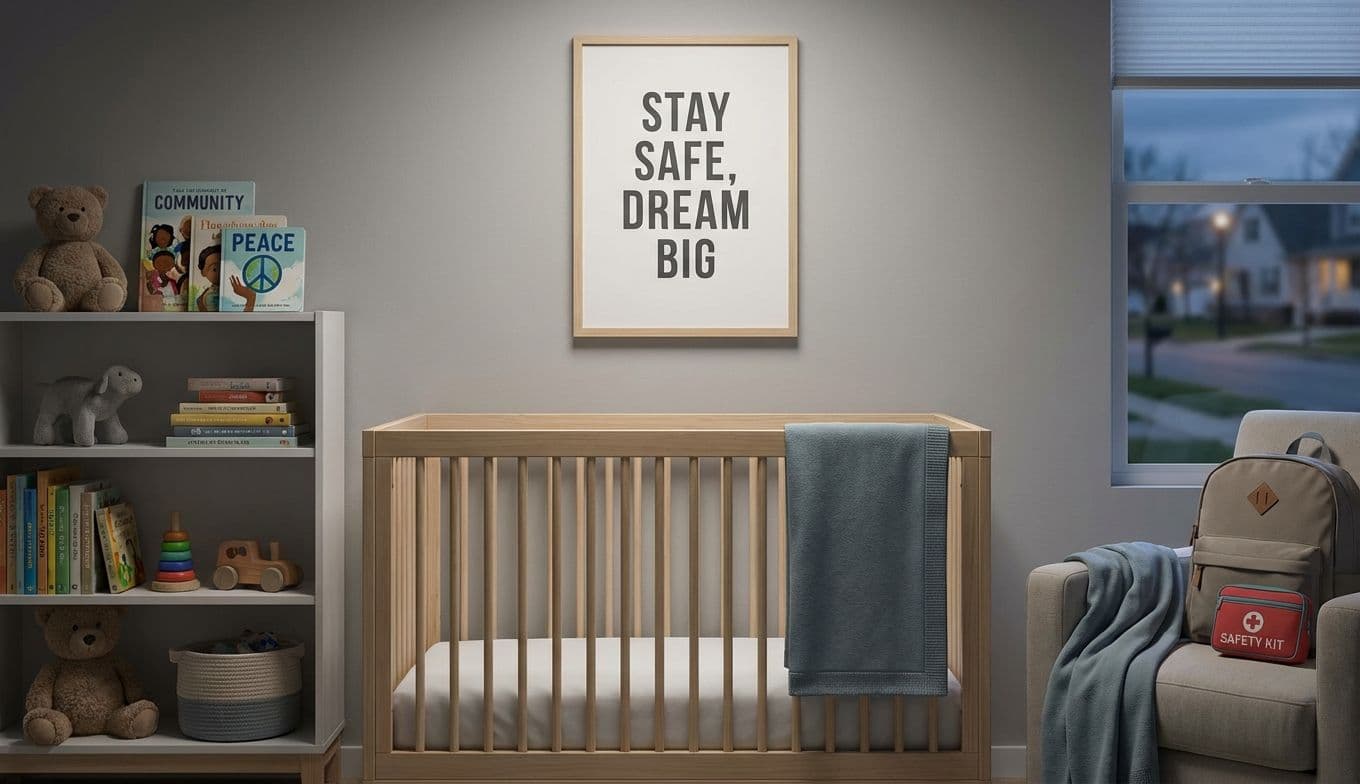
There is a delicate, often uncomfortable balance to strike here. How do we talk about consumer choices—the things we buy—in the wake of such gravity? We must acknowledge from the start that no product can fix a broken system. A new toy cannot undo the trauma of community violence or the presence of federal enforcement in residential streets. However, we can look at our homes as sanctuaries. In times of external chaos, the items we bring into our children's lives can serve as tools for emotional regulation, anchors of normalcy, and small, necessary safe harbors.
Creating Space for Big Feelings
When a child’s routine is disrupted—whether by a canceled play or the ambient stress of their parents—they often lack the vocabulary to express their anxiety. Traditional toys are fine, but in these moments, we look for items that facilitate emotional processing.
Instead of generic activity sets, consider books that specifically address the complex internal weather children experience during times of change. Titles like The Rabbit Listened by Cori Doerrfeld are essential; it teaches kids (and reminds adults) that sometimes we don't need a solution—we just need someone to sit with us in the quiet. In My Heart: A Book of Feelings by Jo Witek is another powerful tool that helps children visualize and name their emotions, making them feel less like a storm and more like a landscape they can navigate.

If you are looking to support the local ecosystem while seeking these resources, Minneapolis is home to incredible independent pillars like Wild Rumpus in Linden Hills or Moon Palace Books. These aren't just stores; they are community hubs where the staff can recommend specific literature to help a child understand why their world feels different today. By shopping locally, you aren’t just buying a book; you’re reinvesting in the very community fabric that federal intervention often threatens to tear.
The Psychology of Environmental Control
There is a profound psychological link between our physical environment and our stress levels. For a child, the world outside can feel vast and unpredictable. Bringing a sense of agency and calm to their immediate surroundings is not about luxury; it’s about sensory regulation.
This is where practical gifts like high-quality white noise machines or air purifiers transition from household appliances to tools for peace. A device like the Hatch Rest+ does more than mask street noise; it creates a consistent sensory boundary. For a child who might be hearing the unfamiliar sounds of increased patrols or community unrest, a reliable, soothing soundscape signals that the home is a controlled, safe space. It provides a literal "curtain of sound" that allows the nervous system to downshift.
Similarly, an air purifier like the Coway Airmega or a Blueair model serves a dual purpose. Beyond the obvious health benefits of filtration, there is a psychological comfort in knowing that the air inside your sanctuary is clean and cared for. When we feel we have lost control over the "macro" environment of our city, exerting mindful control over the "micro" environment of our living room can significantly lower cortisol levels for both children and parents. It is a tangible way to say: In this house, we are safe, and we are breathing easy.
The Power of Presence and Predictability
The cancellation of a long-awaited event like a theater performance creates a vacuum of disappointment. In these moments, the most valuable "gift" is the restoration of predictability. If the world outside is unreliable, the rituals inside must be ironclad.
Bringing the experience home can be a form of domestic resistance against the gloom. If you can’t go to the theater, create one. This might mean investing in a simple, high-quality projector for the living room wall, turning a Friday night into a curated cinematic event. It’s not about the "stuff" as much as it is about the dedicated time and the message it sends: Our joy is not dependent on the permission of the outside world.
For tactile connection, look toward cooperative board games. Unlike competitive games which can sometimes spike stress, cooperative games like Outfoxed! or those from the Peaceable Kingdom line (available at local gems like Mischief Toy Store in St. Paul) require players to work together toward a common goal. This reinforces the idea of family as a team—a unit that solves problems and navigates challenges collectively.
Building a Compassionate Home
Ultimately, the goal isn't to distract our children from the reality of the world, but to give them the internal and external resources to withstand it. We choose products that ground them, books that validate them, and environments that soothe them.
We must remain honest with ourselves: consumerism is not a substitute for advocacy or community organizing. We should continue to show up for our neighbors, support the families of those lost to violence, and demand better from our institutions. But when we close our front doors at night, we are allowed to focus on the small, quiet work of being a parent.
Whether it’s a beautifully illustrated book from a local shop or a machine that hums a lullaby over the sound of the city, these choices are our way of building a fortress of normalcy. We are teaching our children that even when the world is loud and frightening, their home remains a place of light, soft textures, and steady breath. In Minneapolis, and everywhere else, that is perhaps the most enduring gift we can give.