Nothing Phone (3) in 2026: Why the Flagship Freeze is a Win
Nothing isn't launching a 2026 flagship. Discover why the Phone (3) remains a top choice, how this strategy saves you money, and the best alternatives to buy now.

By Team Gimmie
Updated September 2, 2026
The Tech World’s Unexpected Pause: Why Nothing’s 2026 Flagship Freeze is a Win for Your Wallet
The tech industry usually moves at a breakneck speed that borders on the exhausting. Every twelve months, like clockwork, we are told that the phone in our pocket—the one we only just finished paying off—is suddenly a relic. We are bombarded with marketing jargon about revolutionary chips and life-changing megapixels, all designed to make our wallets weep and our heads spin. So, when news broke that Nothing, the London-based brand known for its transparent aesthetics and disruptive attitude, would not be launching a new flagship phone in 2026, my first reaction wasn’t disappointment. It was relief.
This isn’t just a story about a single company’s release schedule. It is a signal of a much-needed shift in the smartphone landscape. For gift-givers, tech enthusiasts, and everyday buyers, Nothing’s decision to keep the Phone (3) as its top-tier offering through 2026 is a rare moment of sanity. It’s an invitation to stop chasing the incremental and start valuing the enduring.
Why the Phone (3) Still Wins in 2026
The primary reason Nothing can afford to pause is that they didn’t build a disposable device. The Nothing Phone (3) was designed with a specific level of hardware overhead that allows it to remain competitive even a year into its lifecycle.
Under the hood, the Phone (3) packs the Snapdragon 8s Gen 3 chipset. While newer chips always emerge, this processor was built specifically to handle the heavy lifting of local AI processing and high-end gaming without the thermal throttling issues that plagued earlier generations. When you pair that with 12GB of RAM and a 6.7-inch LTPO OLED display that shifts seamlessly from 1Hz to 120Hz, you aren’t looking at a device that will feel sluggish by mid-2026.
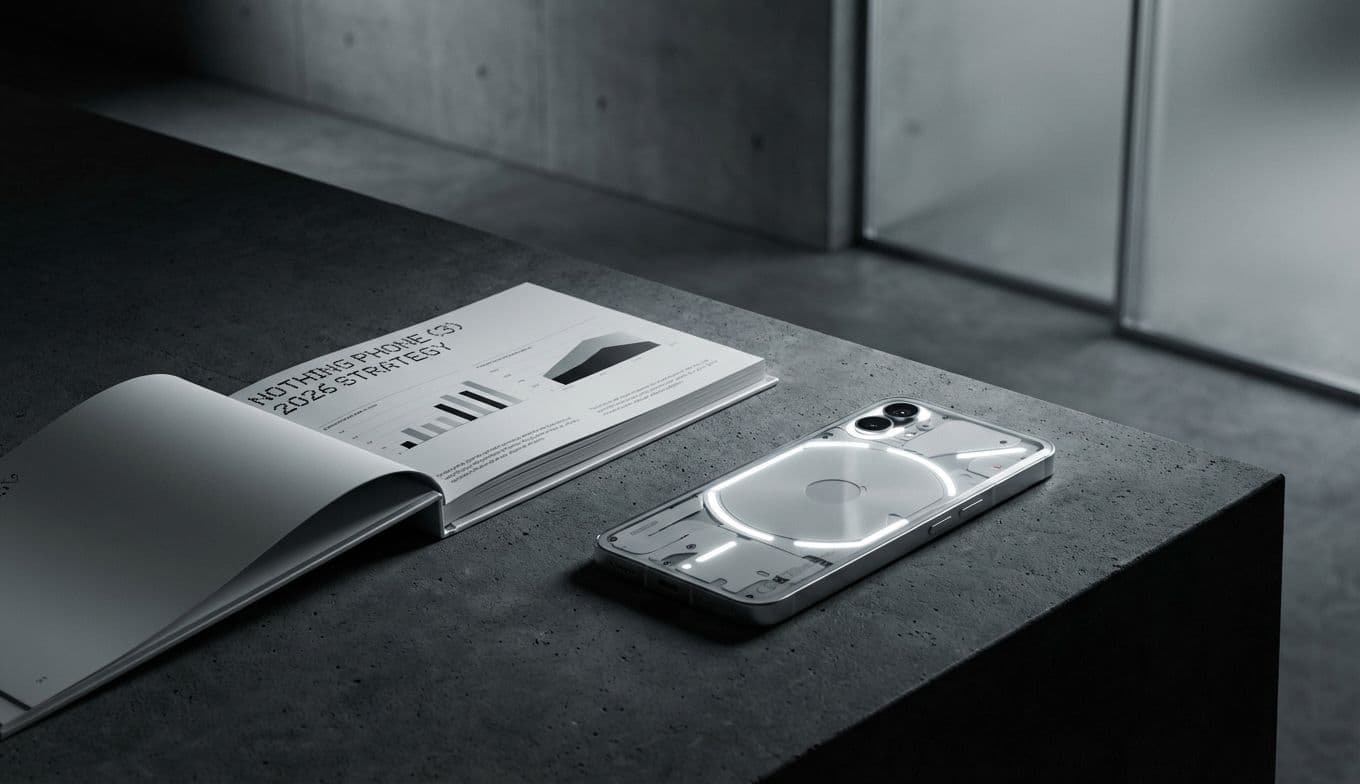
Beyond the raw numbers, there is the Glyph Interface. What started as a design quirk has matured into a genuinely useful tool. In 2026, the AI-driven Glyph Timer 2.0 and the third-party integration for ride-sharing and delivery tracking mean the Phone (3) offers a functional experience that many glass-slab competitors still haven't replicated. By not rushing a Phone (4), Nothing is signaling that this hardware is still the peak of their vision.