How to Brew Tea Correctly: Temperature & Steeping Guide
Team Gimmie
1/31/2026

Why Your Tea Tastes Like Grass (And How to Fix It)
The quest for the perfect cup of tea often ends in a muddled, bitter disappointment. We’ve all been there, staring at a mug of something that’s supposed to be calming and restorative, only to find it tastes, well, wrong. As a product reviewer who has spent years testing everything from high-end espresso machines to artisanal kettles, I can tell you that the culprit usually isn't the tea leaves themselves. More often than not, the problem is in the brewing.
You are likely brewing your tea wrong, but it’s not your fault. We’ve been conditioned to think that boiling water is the universal solvent for all things steeped. In reality, understanding the simple science behind a perfect steep can elevate a common household chore into a genuine ritual. Whether you are looking to fix your morning routine or searching for a gift that won't end up in the back of a cabinet, mastering these variables is the key to unlocking the true flavor of the leaf.
The Temperature Tango: Why Precision is King
Let’s cut to the chase: temperature is the single most important factor in tea quality. Guessing the temperature and dunking a tea bag into rolling, boiling water is a surefire way to scorch delicate tea leaves. This is especially true for green and white teas. Scorching releases an excess of tannins, which are the organic compounds responsible for that dry, mouth-puckering bitterness.
For black teas, like a robust Earl Grey or English Breakfast, a near-boiling temperature (around 200-212°F) is generally ideal. It’s hot enough to extract those rich, malty flavors without destroying the profile. Oolong teas are the middle children of the tea world, often requiring something between 180-195°F.
Green teas, however, are notoriously sensitive. You should aim for cooler water, typically 160-180°F. Anything hotter and you risk a grassy, astringent brew that tastes more like lawn clippings than a premium beverage. White teas are even more delicate, benefiting from water as cool as 150°F.
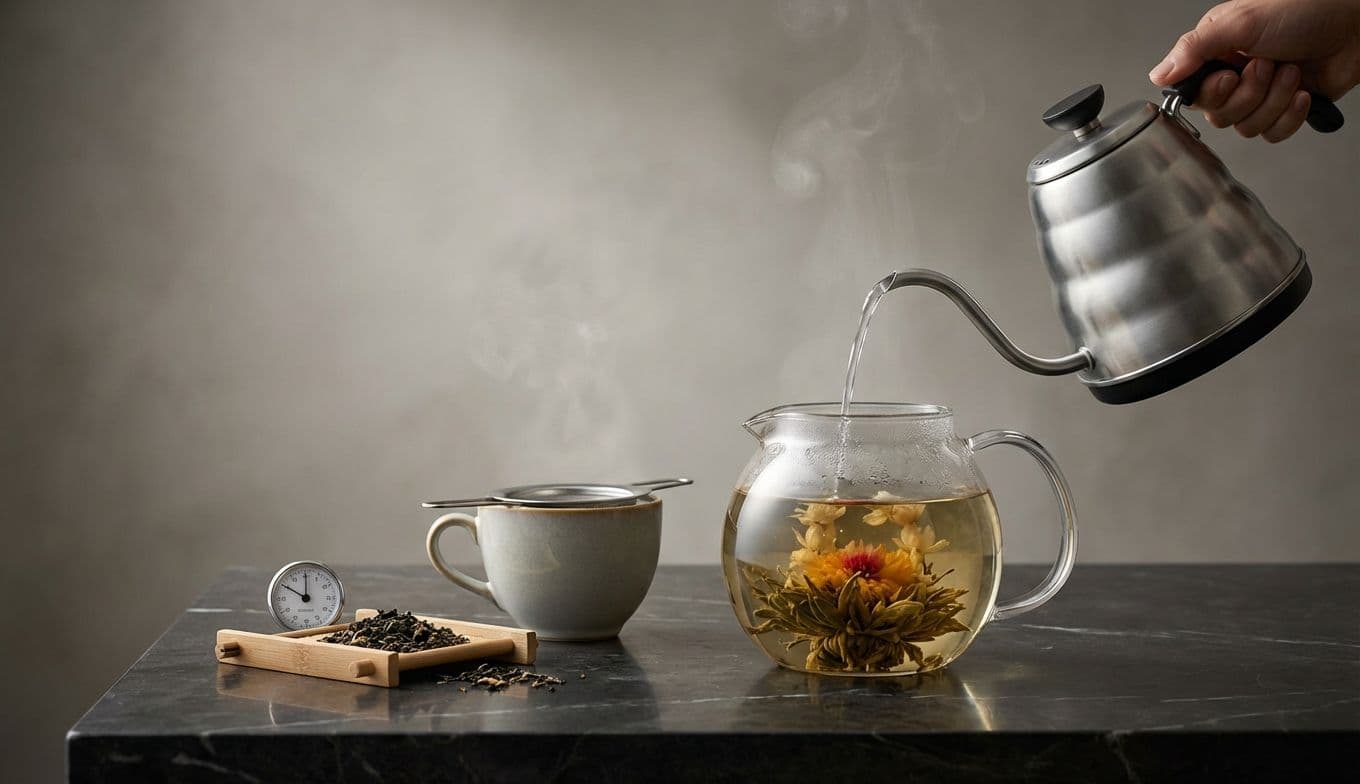
This is where specific kitchen tech becomes essential. If you are still using a stovetop whistle kettle and guessing the heat, you are playing a losing game. For the tea enthusiast, the Fellow Stagg EKG is the gold standard. It’s not just a beautiful piece of design; it offers to-the-degree temperature control and a built-in stopwatch. If you want something a bit more robust for a family kitchen, the Cuisinart CPK-17 PerfecTemp has six pre-set heat settings that take the guesswork out of the process with a single button press. Investing in a variable temperature kettle isn't just a splurge; it's an insurance policy for your expensive tea.

The Timing Tightrope: Managing the Extraction
Just as critical as temperature is steeping time. Over-steeping is the second most common pitfall. When tea leaves sit in water for too long, they continue to release those bitter tannins long after the pleasant aromatics have been extracted. Conversely, under-steeping results in a weak, watery cup that lacks body.
Think of it as a timing tightrope. Here is the general guide I follow during my testing:
Black Teas: 3 to 5 minutes Oolong Teas: 2 to 5 minutes Green Teas: 1 to 3 minutes White Teas: 2 to 4 minutes Herbal Teas (Tisanes): 5 to 10 minutes
Because herbal teas aren't actually made from the Camellia sinensis plant, they are much more forgiving and often require a longer soak to draw out the flavors of dried fruits or bark.
To manage this without constantly checking your watch, I recommend the Breville One-Touch Tea Maker. This machine is essentially the Ferrari of tea brewing. You put the leaves in the basket, select the tea type, and it automatically lowers the basket into the water at the exact temperature needed, then lifts it out the second the timer hits zero. It’s the ultimate solution for someone who wants the perfect cup without the manual labor.
Beyond the Basics: Leaves, Water, and a Pro-Tip
It might seem obvious, but the quality of your tea leaves dictates the ceiling of your experience. Most grocery store tea bags contain what the industry calls dust and fannings—the broken bits left at the bottom of the tea production line. These small particles have more surface area, leading to a faster, but much harsher, extraction. Loose-leaf teas offer superior flavor because they contain larger, intact leaves that unfurl as they steep.
PRO-TIP: If you want to experience the difference high-quality leaves make, look into Vahdam Teas. They source directly from gardens in India, cutting out the middleman and ensuring the leaves are fresh. Their Turmeric Ginger or classic Himalayan Green teas are excellent starting points for anyone moving away from standard tea bags.
Don’t forget the water! If your tap water has a strong mineral taste or smells of chlorine, it will mask the subtle notes of your tea. Using filtered water from a Brita pitcher or a more advanced under-sink system can make a surprising difference in the clarity of the final brew.
The Ultimate Tea Lover Gift Kit
If you are looking to give the gift of a perfect brew, don’t just grab a generic gift basket. Curate a set that shows you understand the craft. A thoughtful kit should include:
- A Precision Kettle: The Fellow Stagg EKG (for the aesthetic-focused) or the Cuisinart PerfecTemp (for the practical user).
- Premium Loose-Leaf Tea: A starter set from Vahdam or Rare Tea Co.
- A High-Volume Infuser: Look for a stainless steel basket infuser that fits inside a standard mug. This allows the leaves enough room to fully expand, unlike those tiny metal tea balls.
- A Digital Timer: If the kettle doesn't have one built-in, a simple magnetic kitchen timer is a vital tool.
Elevating the Everyday Ritual
The beauty of understanding tea brewing is that it transforms a mundane daily habit into a mindful practice. It’s about taking those few extra moments to get the temperature and the timing right, and the reward is a significantly better-tasting beverage that actually does what it’s supposed to do: provide a moment of peace.
Ultimately, brewing tea isn’t rocket science, but it does respect the laws of chemistry. By paying attention to the details and using the right tools, you can move beyond the guesswork and consistently brew a delicious, satisfying cup. For anyone who appreciates a good brew—or is looking to impress someone who does—this approach is a discovery worth celebrating.