Glasses-Free 3D Technology Review: Is Leia Immersity Worth It?
Team Gimmie
1/17/2026

Beyond the Gimmick: Why Glasses-Free 3D is Finally Worth Your Time
As a product reviewer, my relationship with 3D technology has been, shall we say, complicated. I’ve seen my fair share of gadgets promising the next visual revolution, only to deliver uncomfortable plastic glasses, finicky headsets, or 3D effects that felt more like a looming migraine than a cinematic breakthrough. Usually, when a company claims they’ve mastered 3D without the headgear, my skepticism doesn't just kick in—it hits the alarm.
But after spending some quality time with Leia’s Immersity technology, that skepticism is finally starting to thaw. We aren't looking at the flickering, blurry 3D of the past. Instead, Leia has managed to create a sense of depth that feels as natural as looking through a clean window. If you’ve written off 3D as a relic of the 2010s, it might be time to look again—this time, without the glasses.
The Magic of Lightfield and the Immersity App
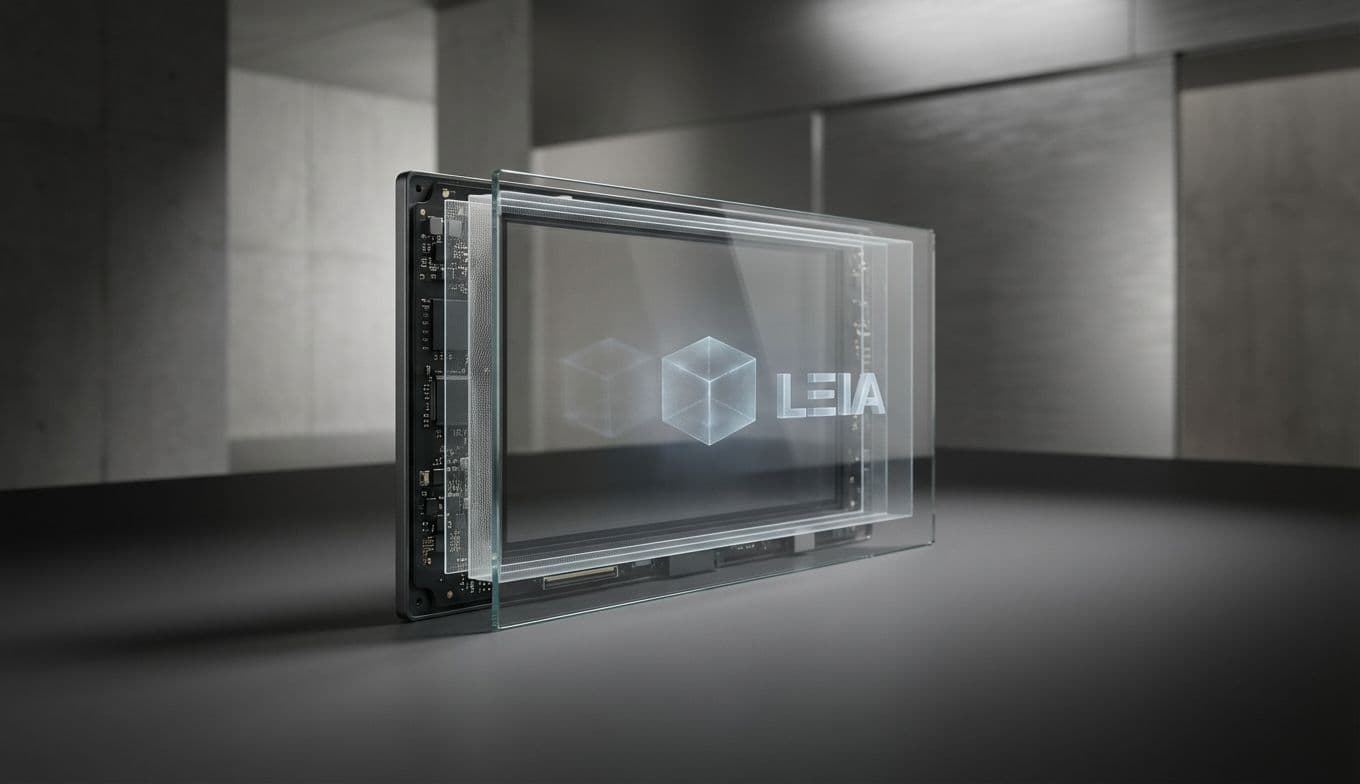
The engine behind this experience is what Leia calls Lightfield display technology. Traditional 3D usually works by showing two slightly different images to each eye, often requiring glasses to separate them. Leia’s approach is far more sophisticated. Their screens project multiple images at different angles simultaneously. As you move your head, your eyes naturally pick up these different perspectives, creating a genuine sense of layers and volume.
However, the hardware is only half the story. The real "secret sauce" is the Immersity software. In the past, 3D devices failed because there simply wasn't enough to watch. Leia has addressed this by integrating an AI-powered conversion tool. With the LeiaPlayer app, you can take a standard 2D photo of your dog or a flat video from your last vacation and convert it into 3D with a single tap. It even works with YouTube. Is it as perfect as a movie shot natively in 3D? Not quite. But it’s remarkably convincing, adding a level of tangibility to your personal memories that a flat screen just can't match.
Concrete Choices: The Tablets Making This Real
This isn't just experimental tech sitting in a lab; it’s baked into actual products you can buy right now. If you’re looking to get your hands on this, there are two primary players in the tablet space: the Leia Lume Pad 2 and its cousin, the Nubia Pad 3D (created in partnership with ZTE).

The Lume Pad 2 is the flagship experience here. It’s a premium Android tablet that feels substantial in the hand, boasting a crisp screen that handles standard 2D tasks beautifully before you toggle on the 3D magic. If you’re shopping for a tech-forward gift or a new centerpiece for your own coffee table, you should expect to spend between $800 and $1,100. While that’s certainly a premium price point compared to a standard iPad, you’re paying for a display technology that literally no one else in the room has.
For those who want this tech in a larger format, keep an eye on Acer’s SpatialLabs line. They’ve integrated similar glasses-free 3D tech into high-end laptops and monitors, though those prices quickly climb into the $2,000+ range, targeting professional designers and hardcore enthusiasts.
Leveling Up: Is This a Game-Changer for Players?
I’m the first to admit that I’m not a professional gamer. I don’t spend my weekends chasing frame rates or climbing competitive ladders. But Leia’s tech makes me want to start. When you boot up a supported game, the screen stops being a flat surface and starts feeling like a miniature diorama.
The immersion boost is most striking in specific genres. Top-down RPGs or strategy games like Civilization feel like you're looking down at a living, breathing board game where the units actually have height. Flight simulators and racing games also benefit immensely; the added depth makes it easier to judge distances, making that tight turn or landing approach feel much more intuitive.
There is, however, a catch. The 3D "sweet spot" is relatively narrow. The tablet uses face-tracking cameras to adjust the 3D effect to your eyes, but if you’re someone who fidgets or moves around a lot while playing, the image can occasionally shimmer or lose its depth. This tech is best enjoyed when you’re settled in—seated at a desk or propped up on a couch—rather than playing on a bumpy train ride.
Who Should Actually Buy This?
Because of the price and the specific nature of the technology, Leia-powered devices aren't a "one size fits all" recommendation. Here is who should actually consider pulling the trigger:
The Tech Early Adopter: If you’re the person who bought the first folding phone or the first VR headset, you’ll love this. It’s a conversation starter that offers a tangible glimpse into the future of displays.
The Movie Buff and Visual Storyteller: If you have a library of 3D Blu-rays or you’re a photographer who wants to see your portraits gain a new dimension, the Lume Pad 2 is a revelation. The ability to "depth-ify" your own content through the Immersity app gives it a utility that previous 3D gadgets lacked.
The Niche Gamer: If you play flight sims, racing games, or atmospheric RPGs and want to feel more connected to the world without the weight of a VR headset on your face, this is the middle ground you’ve been waiting for.
The High-Impact Gift Giver: If you’re looking for a "wow" gift for a tech-obsessed family member—perhaps a niece or nephew who loves digital art or a partner who is impossible to buy for—this is a showstopper. It’s one of the few pieces of tech left that still feels a bit like magic when you see it for the first time.
The Final Verdict
Is glasses-free 3D the future of all computing? Probably not. We aren't going to be checking our spreadsheets in 3D anytime soon. But Leia’s Immersity tech proves that 3D doesn't have to be a chore. By removing the glasses and providing the software to convert everyday content, they’ve turned a gimmick into a genuine feature.
It’s expensive, and it requires you to sit relatively still, but the reward is a visual experience that is deeper and more engaging than anything a standard tablet can offer. Even a jaded reviewer like me has to admit: once you’ve seen your favorite photos and games with real, physical depth, going back to a flat screen feels like a bit of a letdown. If you have the budget and the curiosity, the future is looking very three-dimensional indeed.