Button-Less iPhone 20 (2027): Rumors, Haptics & Design Analysis
Team Gimmie
2/2/2026

The Glass Horizon: Is Apple’s Button-Less Future a Dream or a Disaster?
The tech world has a long memory, and if you listen closely to the current whispers surrounding the iPhone 20—slated for 2027—you’ll hear the echoes of 2016. That was the year Apple killed the headphone jack, sparking a global wave of "dongle-rage" that eventually settled into the quiet convenience of AirPods. Now, rumors suggest Apple is preparing for its most aggressive surgical strike yet: the total removal of every physical button.
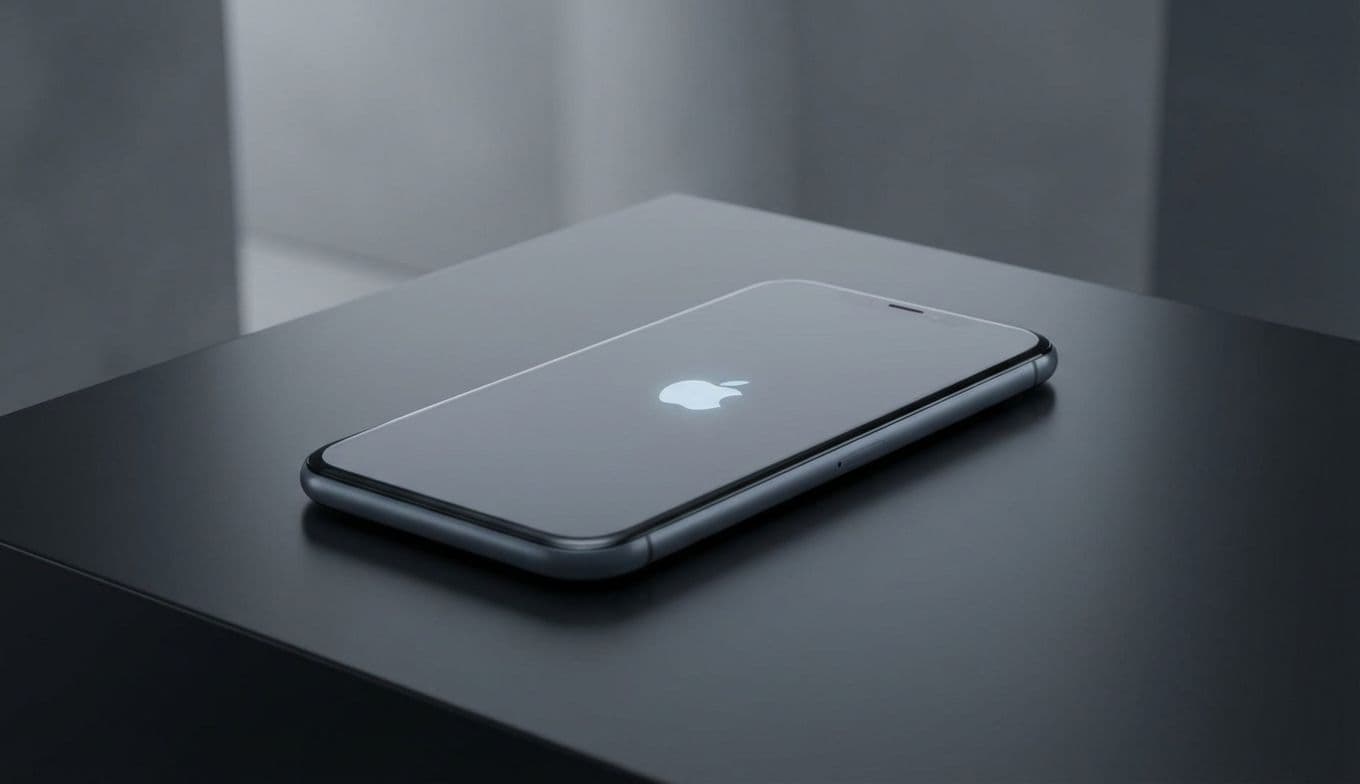
We are looking at the potential birth of the all-glass slab, a design goal Apple has reportedly chased since Jony Ive first sketched a phone that looked like a single, seamless piece of obsidian. As we approach the 20th anniversary of the device that changed everything, the question isn’t just whether Apple can do it, but whether we actually want them to. Let’s look past the glossy renders and figure out if a button-less iPhone is a gift worth giving or a usability nightmare in the making.
The Method to the Madness: A History of Disruption
To understand why Apple would dare to remove the volume and power buttons, we have to look at their track record of "courageous" removals. Every time Apple strips away a tactile feature, they replace it with a digital simulation that eventually becomes the standard.
Remember the iPhone 7? That was the first time the Home button stopped being a physical button. It became a solid-state sensor that used the Taptic Engine to trick your brain into thinking you’d clicked something. Then came the MacBook’s Force Touch trackpad—a piece of glass that doesn’t move a millimeter, yet feels exactly like a mechanical click.
This button-less iPhone isn’t a leap into the dark; it’s the final step in a decade-long march. By moving to a completely sealed, solid-state chassis, Apple isn’t just chasing an aesthetic. They are hunting for the holy grail of hardware: a device with zero moving parts and zero entry points for water, dust, or mechanical failure.
The Feel of Nothing: Why the Taptic Engine Matters
The biggest hurdle for a button-less phone is "tactile certainty." When you reach into your pocket to silence a ringer, your fingers rely on the physical bump of the volume buttons. Without them, you’re flying blind.

However, the technology that will make or break the iPhone 20 already exists in your pocket. Apple’s Taptic Engine is arguably the best haptic feedback system in the world. For this new design to work, the sides of the phone will need to house high-fidelity haptic zones. When you "press" the side to change the volume, the phone will fire a localized vibration so precise that your nervous system will be fooled into feeling a physical click.
If they nail this, the benefits are massive. A sealed frame means industry-leading waterproofing—potentially allowing for shallow-water photography without a bulky case. It also means more internal space for battery cells, as mechanical button assemblies are surprisingly space-hungry. But if the software glitches, or if you’re wearing thick winter gloves, that "button" suddenly becomes a ghost.
Who is This For? Defining the User Personas
When considering this as a future gift, you have to look past the brand and look at the person holding the device. This redesign will be polarizing, and it clearly targets two very different types of users.
The Futurist (The Minimalist): This user views their iPhone as a piece of art. They use gestures for everything, rely heavily on Siri or Apple Watch for quick controls, and probably already use MagSafe for everything so they never have to plug in a cable. For them, the iPhone 20 is the ultimate expression of modern design—a distraction-free window into their digital life.
The Pragmatist (The Traditionalist): This user cares about muscle memory. They might work in construction, spend a lot of time outdoors, or simply value the reliability of a button they can feel through a pair of jeans. They are the ones who will struggle with a smooth glass edge when trying to take a screenshot or hard-reset a frozen device. If you are buying for a Pragmatist, the button-less transition might feel like an unnecessary obstacle.
The Gift-Giver’s Cheat Sheet: Pros vs. Cons
Before you earmark your 2027 savings for this device, here is a quick breakdown of the trade-offs:
The Pros:
- Superior Durability: No moving parts means fewer things to break over time.
- Unmatched Waterproofing: A completely sealed chassis is a nightmare for liquid damage.
- Immersive Display: Removing side buttons allows for wrap-around glass or even thinner bezels, maximizing screen real estate.
- Future-Proofing: This is clearly the direction the industry is moving; getting in early means staying ahead of the curve.
The Cons:
- The Learning Curve: Re-learning how to restart your phone or adjust volume without looking will frustrate some users.
- Fragility Concerns: While the frame is stronger, an all-glass exterior remains susceptible to cracks from drops.
- Repair Costs: Replacing a chassis that is integrated with haptic sensors will likely carry a premium price tag.
- Case Compatibility: Third-party case makers will have to get creative to allow haptic pass-through, potentially making cases more expensive.
The Durability Dilemma
Let’s address the elephant in the room: Glass breaks. Apple has made massive strides with Ceramic Shield technology, but a phone that is essentially a 360-degree glass sandwich is a high-stakes gamble.
In a button-less world, the frame of the phone—traditionally made of aluminum or titanium—might be replaced or covered by glass to allow for those touch-sensitive zones. This makes a high-quality protective case more of a requirement than an option. For gift-givers, the hidden cost of this phone will likely include a beefed-up AppleCare+ plan. You aren’t just buying a phone; you’re buying the insurance to make sure it survives its first encounter with a sidewalk.
The Final Verdict: A Leap Worth Taking?
Is the button-less iPhone 20 a gimmick? If it were any other company, I’d say yes. But Apple has a history of taking things away and making us realize we didn't need them as much as we thought. They did it with the floppy drive, the CD-ROM, the headphone jack, and the physical keyboard on the original iPhone.
The success of the 2027 model won’t depend on how it looks in a keynote—it will depend on how it feels in your hand on a cold Tuesday morning when you’re trying to turn down a podcast. If the haptics feel real, and the glass is as tough as they promise, it will be a game-changer.
If you’re planning to gift this to the tech lover in your life, start preparing them now for a future where "touch" replaces "press." But for the person who just wants a phone that works without a manual, you might want to hold onto that iPhone 16 for just a little while longer. The future is sleek, it is seamless, and it is definitely going to require a very, very good screen protector.